
Half a century ago, on a clear August evening, a curious boy from Kohtla-Järve stopped to look at the stars while wandering outdoors with his friends. He was only in fifth or sixth grade, but his love of reading had already taught him that the universe was infinite. One thought would not leave him alone: he could see the stars, but what lay beyond them?
He could not have imagined that years later he would work at an observatory, studying not the stars but how to make optical measurements in Estonia reliable. Still less could he have guessed that Estonia’s national measurement standards would become something of a life’s work for him at Metrosert, the country’s national metrology institute.
That boy was Toomas Kübarsepp, now a principal research scientist in Metrosert’s Research and Development Division. Last year marked his 25th anniversary at Metrosert. His role has changed several times over those years, but one question has accompanied his work throughout: is anything more powerful than the laws of nature? The path he has taken in search of an answer has been far from straight.
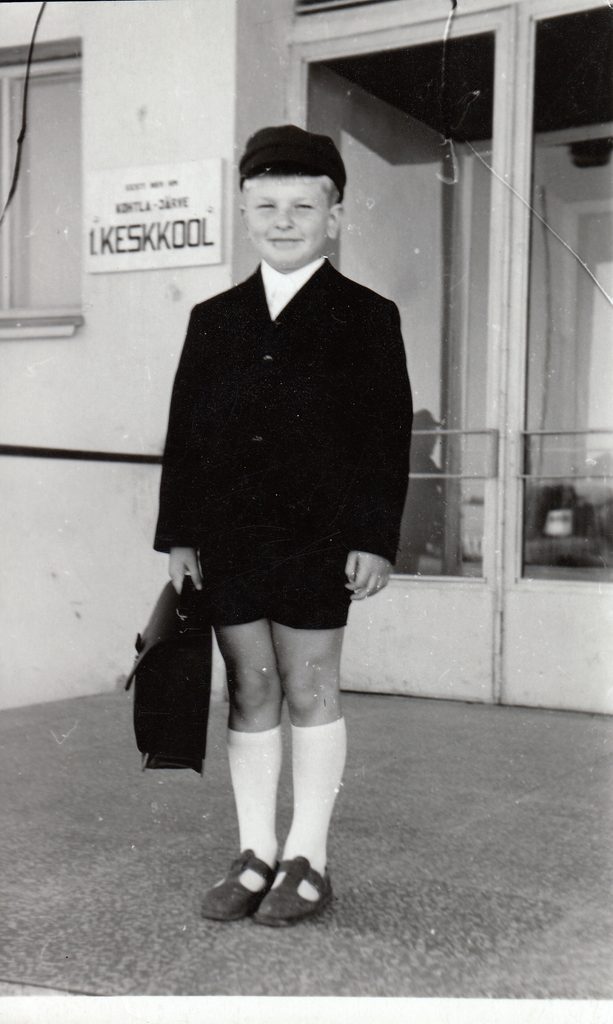
“I still remember an experiment in a physics lesson at Kohtla-Järve Secondary School No. 1. The air was pumped out of a long glass tube, and a feather and an iron ball fell at the same speed in the vacuum. Physics became the subject closest to my heart,” Toomas says.
“I was even invited to attend Nõo Secondary School, which had a strong focus on science and mathematics. But I had a girlfriend in Kohtla-Järve, and I was afraid our relationship would not survive if I went away to school. Unfortunately, despite what I considered a great sacrifice, that relationship ended anyway. I still received a good education, as my success in academic competitions showed. Near the end of secondary school, I told my physics teacher I was considering studying physics at university. He replied, ‘That’s a worthwhile idea. A physicist can always work as a taxi driver if necessary, but a taxi driver cannot work as a physicist.’ Words of wisdom!”
Physics on both attempts
Toomas enrolled to study physics at the University of Tartu twice. His first period of study ended abruptly when he was drafted into the Soviet armed forces for two years.
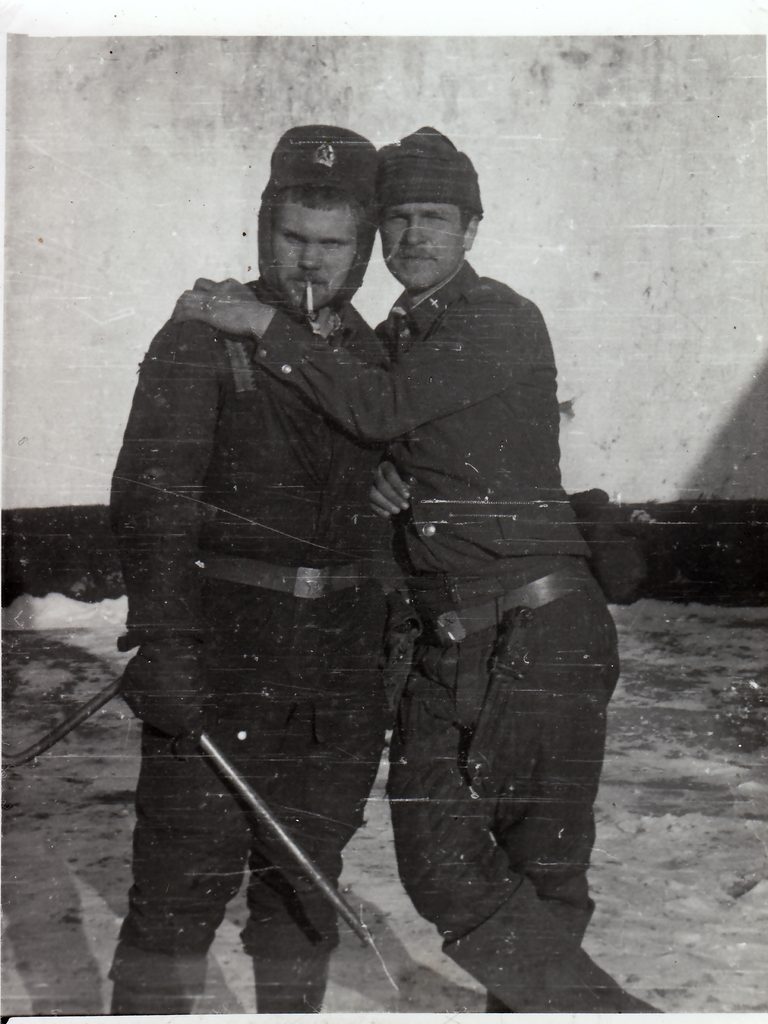
“There in Siberia, beyond Lake Baikal, where they chased me with a stick…” Toomas uses a humorous line from a song to describe where he served. In reality, he remembers those two years mainly as an endless Groundhog Day. He was assigned to an air force guard unit, where he would stand sentry for two hours, sleep for a while and then start the cycle again. “I don’t remember much that was positive about that time,” he says. Fortunately, more than twenty other young Estonian men were transferred to the same unit. They played bridge together and exchanged books sent from home, reading them while on guard duty.
Toomas does not believe military service was necessary for him to mature, but two years away from home affected him deeply. On his return, he was not immediately sure what to do next. After a short pause for thought, he concluded that he had to go back to university.
“This time I knew clearly that I was going to study for myself, not out of obligation. I spent an entire spring and summer preparing for the entrance exams and enrolled at the University of Tartu for a second time,” he says. “By chance, I ended up in the same year as Madis Raukas, now chairman of Metrosert’s management board, as we discovered at this year’s summer gathering.”
From the Tõravere laboratory to Helsinki
While at university, Toomas first found work in an instrument development unit, where he tested, among other things, monochromators for measuring ultraviolet radiation. When the unit ceased operations around the time Estonia regained its independence, he moved to the Tõravere Observatory of what was then the Institute of Astrophysics and Atmospheric Physics. “It was exciting, because for the first time I worked in a laboratory where people were actually taking measurements and developing things,” he recalls.
The work at Tõravere included measuring the thickness of the ozone layer. It was an urgent topic at the time: the expanding ozone hole over Antarctica had raised questions about how much harmful ultraviolet radiation reached the ground. Toomas’s task was to assess the reliability of the measurements made at Tõravere.
At the same time, he took part in a metrology group established at the University of Tartu. Each of its seven young researchers was assigned one of the base units of the International System of Units to investigate. Toomas chose the candela, the unit of luminous intensity. With his supervisor’s support, his master’s thesis grew into a plan for the measurement standards and equipment Estonia would need for optical measurements.
“Things were changing rapidly around us. The metrology group did not last, and of the seven who started, I was the only one to continue researching my area of the system of measurement units. Resources for science were even scarcer in the early 1990s than they are today. At Tõravere, for example, I assembled my first trap detector from whatever parts were at hand. Sometimes it took hours just to find the right screw,” Toomas recalls.
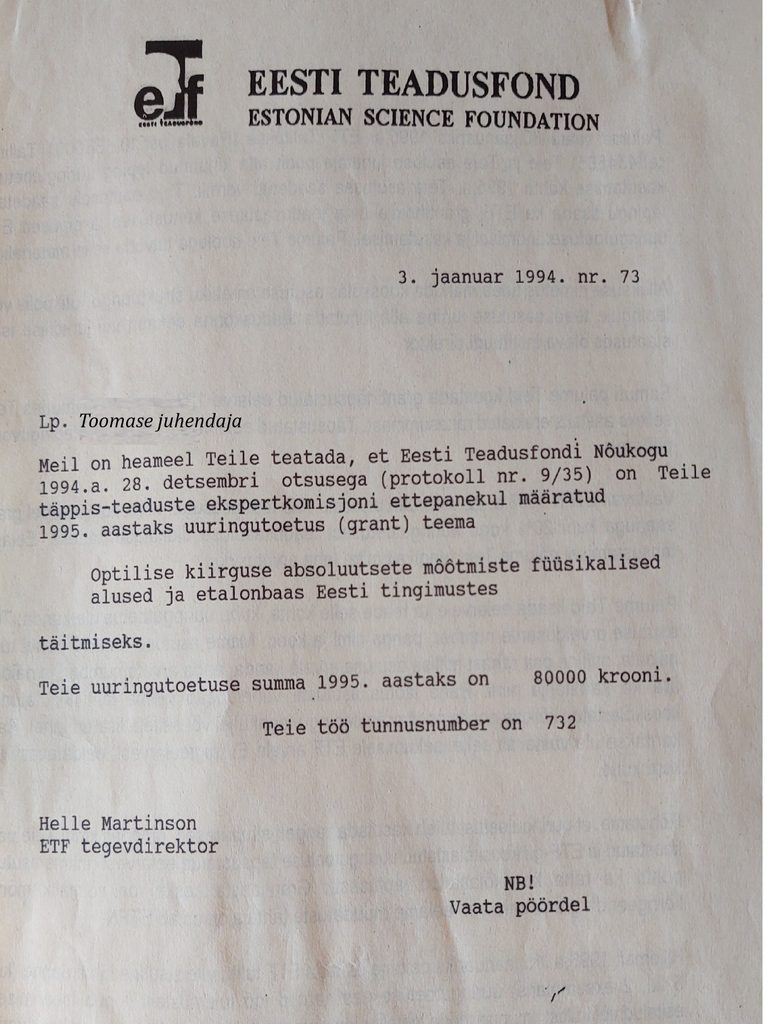
As a young scientist, Toomas fortunately did not have to worry about funding himself. His supervisors applied for grants, and the work carried on from one project to the next. “I hardly noticed where one project ended and another began,” he says.
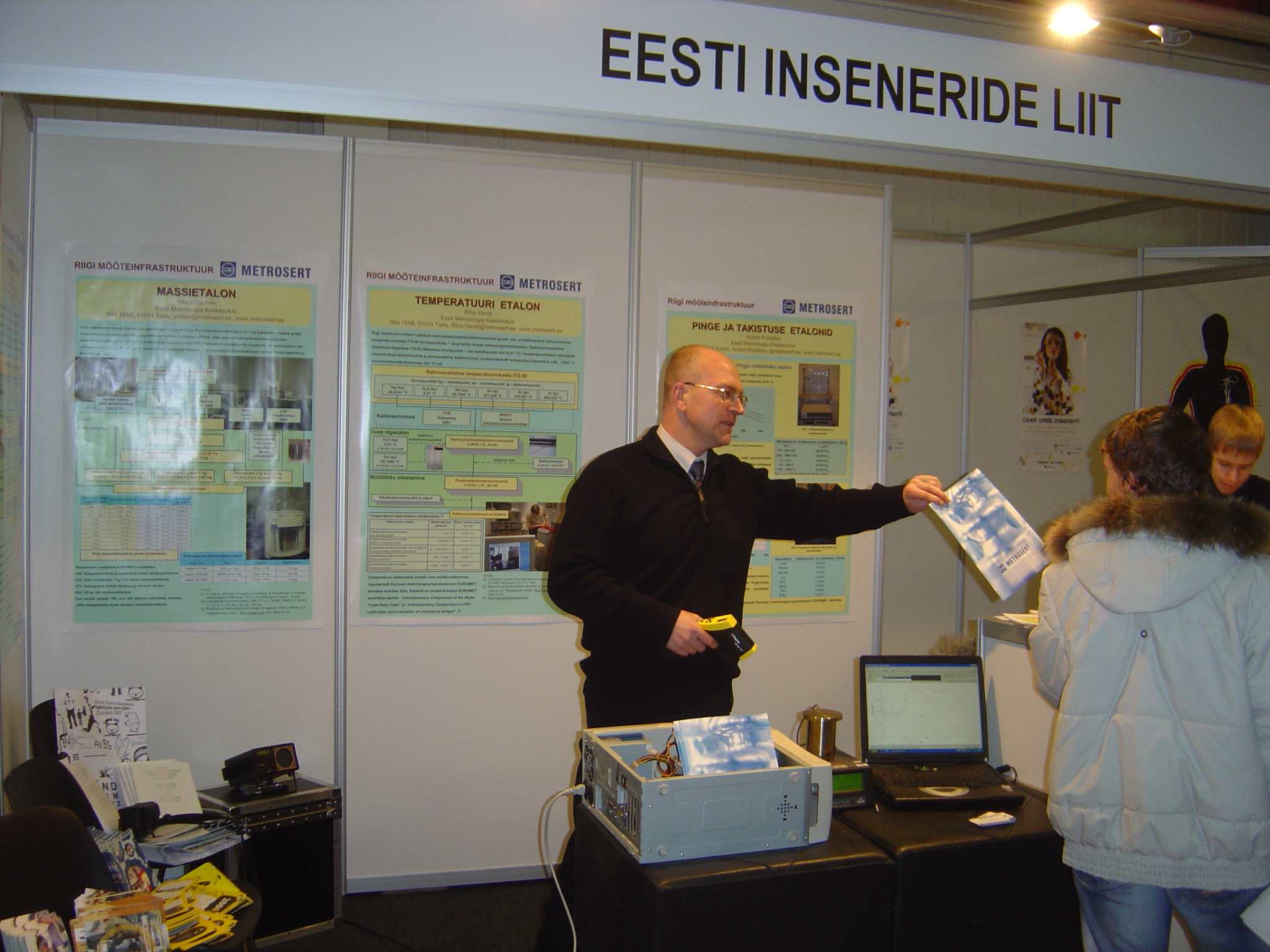
Presenting his research in Finland helped Toomas make his first contacts in its scientific community, and eventually led him to doctoral studies at Helsinki University of Technology. His specific task was to extend Finland’s national standard for spectral irradiance into the ultraviolet region of the spectrum.
“The Finnish laboratory was a completely different world from Tartu. The equipment was there, you could take handfuls of the screws that had taken hours to find in Tartu straight from a drawer, and measurements could be automated. In terms of apparatus, the difference was night and day,” he recalls. He nevertheless values the breadth of his education in Tartu, which taught him to see beyond his narrow research topic.
Growing with Metrosert
After defending his doctorate in 1999, family brought Toomas back to Estonia. He was invited to join Metrosert in 2000 and spent his first three years as a member of its management board. “It seemed exciting,” he says of the challenges at the time.
Metrosert faced a major task: bringing its Tartu and Tallinn metrology centres together into one institution, establishing a system of national measurement standards and building effective international cooperation. Both measurement capabilities and a new way of working had to be developed. An older understanding of the organisation’s role also needed to change: checking measuring instruments had largely been seen as a matter of enforcing requirements and, when necessary, imposing penalties.
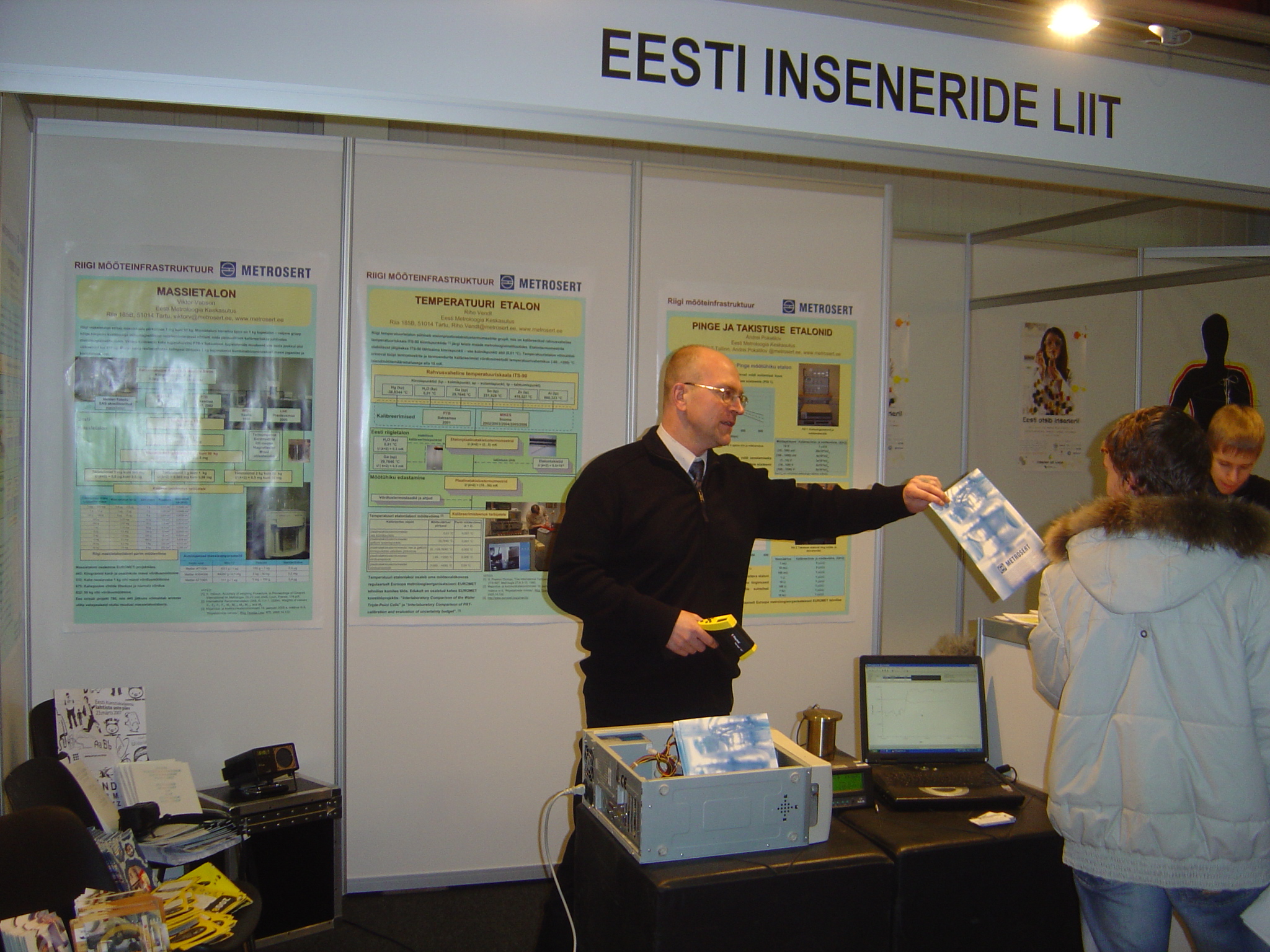
Alongside this, Metrosert needed to develop calibration services for companies that wanted to be confident in the quality of their own measurements and production. Estonia’s national standards for mass and length were approved in 2001, followed in later years by standards for electrical quantities and temperature. Toomas took responsibility for maintaining and developing the national standard for length.
Preparations for Estonia’s accession to the European Union accelerated this development, but also brought demanding work. PHARE programme investment projects required the purchase of equipment, strict attention to deadlines and constant travel between Tartu and Tallinn. “Paperwork is not my greatest strength,” Toomas admits, thanking his colleagues at Metrosert and the Ministry of Economic Affairs and Communications at the time for their support.
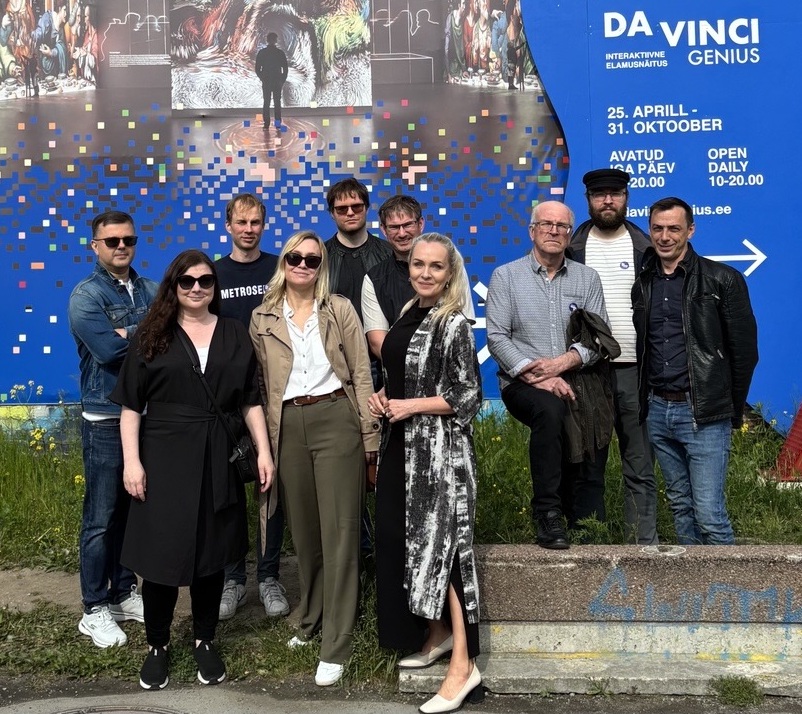
The changes reached beyond Estonia’s laboratories. In 2004, Estonia became a full member of EUROMET, the European metrology cooperation network. Joint efforts began to secure international recognition for Estonia’s national measurement standards. In the years that followed, Metrosert became increasingly active in European collaborative research projects.
“We started small: one of our first projects was worth €15,000. Today, we have several international projects under way at the same time, with budgets running into the hundreds of thousands. Alongside funding, these projects have brought knowledge and partners to Estonia, allowing us to advance measurement science together,” Toomas says with pride.
New opportunities for research
One of the most important milestones for Toomas was Metrosert’s positive research evaluation in 2021. Its first attempt, ten years earlier, had been unsuccessful. In the intervening period, Metrosert had devoted more attention to creating new knowledge: developing its laboratories, participating in research projects and publishing articles. The positive evaluation opened up opportunities to apply for research funding beyond its established metrology programmes.
In 2025, the year marking a quarter-century since Toomas joined Metrosert, an application was submitted for the approval of a national standard for optical quantities. He had already outlined the development of this standards infrastructure in his master’s thesis. “It only took three decades. I was a little busy in the meantime,” he says with a smile.
When Toomas joined Metrosert, he could not have imagined that an Applied Research Centre would one day be established within it. He sees it as a new stage in the organisation’s development: in addition to measurement and the use of technology, Metrosert can increasingly help develop technologies themselves.
“I think there is scope for closer cooperation between metrology, research and development, and the Applied Research Centre. Metrologists know how to make a new service reliable and repeatable. New developments, in turn, prompt us to ask what we should measure next, and how,” Toomas explains.
A curiosity that keeps him moving
What Toomas finds special about working at Metrosert is the freedom to formulate new research questions himself. “It’s a pleasant place to work. There’s a high level of job satisfaction here,” he says.
He is currently exploring, for example, a software platform for analysing the properties of materials and considering how that knowledge could be applied to quantum technology development. “There’s always something new to work on. A topic may not seem interesting at first, but once you look deeper into it, you find something fascinating there too. Colleagues help a lot as well: their curiosity and friendly nudges make you think about things from different angles.”
He has also shared his knowledge as a professor at Tallinn University of Technology and as a supervisor of master’s and doctoral students. “Lecturing to a room of more than two hundred students and marking a great many exams were not my favourite parts of being a professor, especially as I did it alongside my main job. I preferred working more directly with young researchers,” he says.
If Toomas were 18 today, he would choose physics again at university. He would also study more programming and IT. He experimented with computers as a student: for one assignment, he made himself a keyboard that could type in the Japanese syllabary. He has taken a few Japanese language courses too. “I can still say a few basic polite phrases, but Japanese people may not understand my pronunciation,” he admits.
Beyond the laboratory
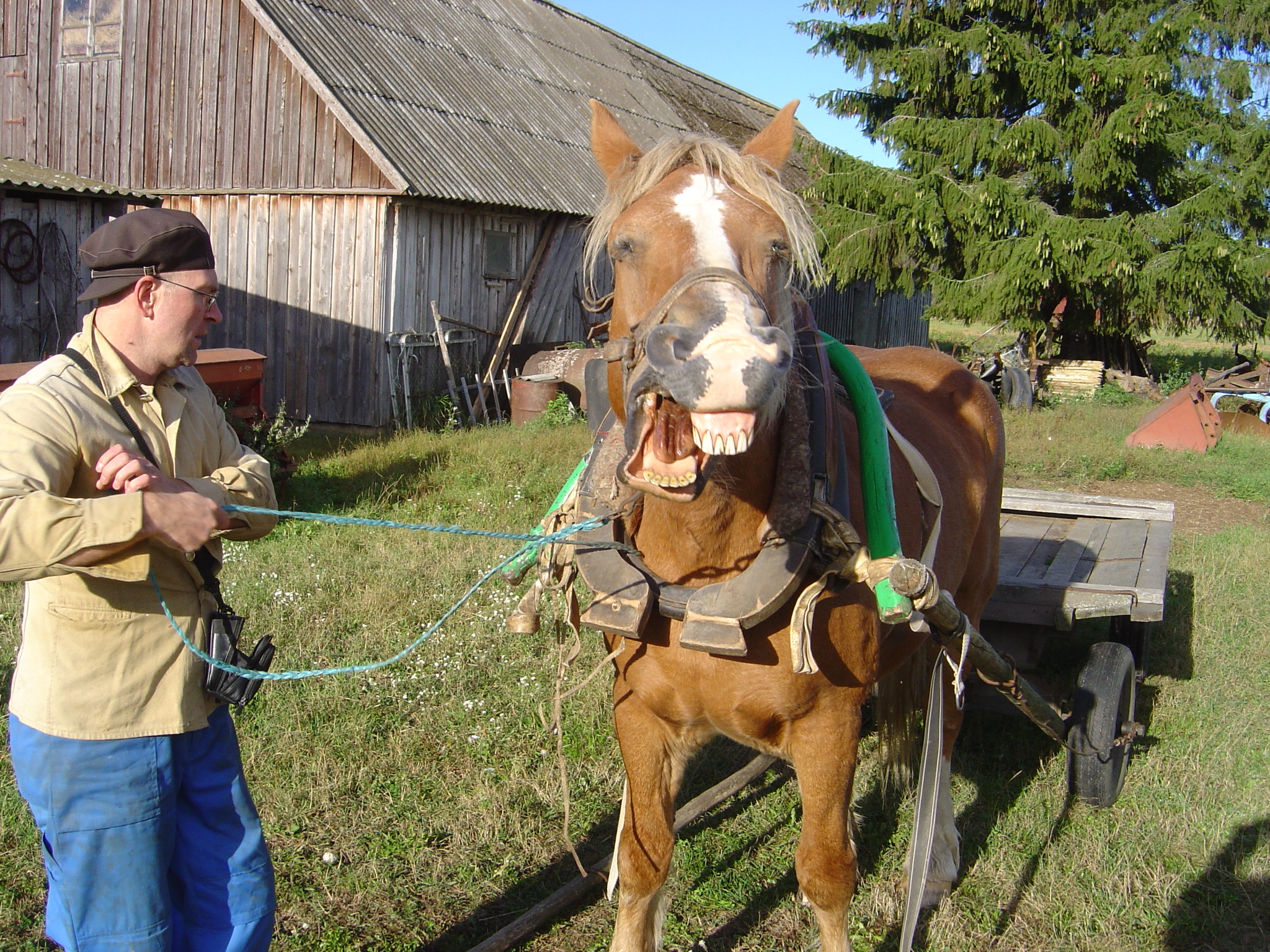
Away from work, Toomas finds joy in his two grandchildren and his country home. “Being a grandfather suits me. I’m not particularly strict; if anything, I tend to be too indulgent,” he says. His country home means more to him than a place to spend time. “Perhaps it matters especially to me because I was born and grew up under Soviet rule. I need a space of my own where I can walk around, freedom, air to breathe. I don’t take any of that for granted,” he says.
Perhaps more surprising is Toomas’s interest in creative pursuits. He has taken pencil-drawing courses at Tartu Folk High School and given some of his drawings to colleagues and loved ones. “I’m not very good at drawing people. Above all, I try to capture the essence of an object with as few pencil strokes as possible,” Toomas says.
But that is not his only creative side. “Most of my colleagues probably don’t know that I’m something of a romantic. I’ve been writing poems and keeping them in a drawer for decades.”
Toomas is willing to share one poem in which he reflects on the laws of nature in a more personal way:
Time is precious, my dear.
It passes quickly, my dear.
When love is gone, my dearest,
you’ll wonder – which one was dearer.