
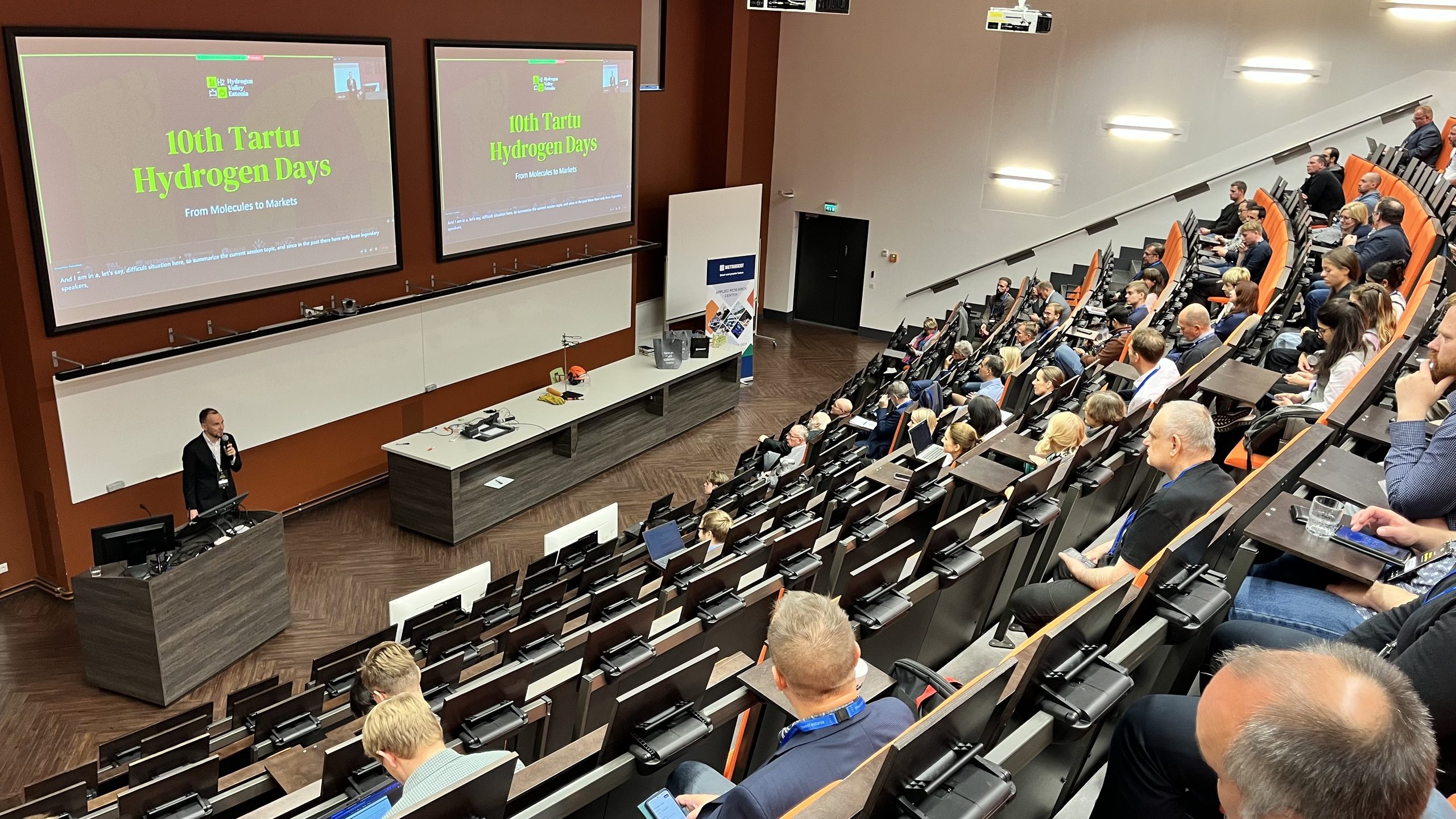
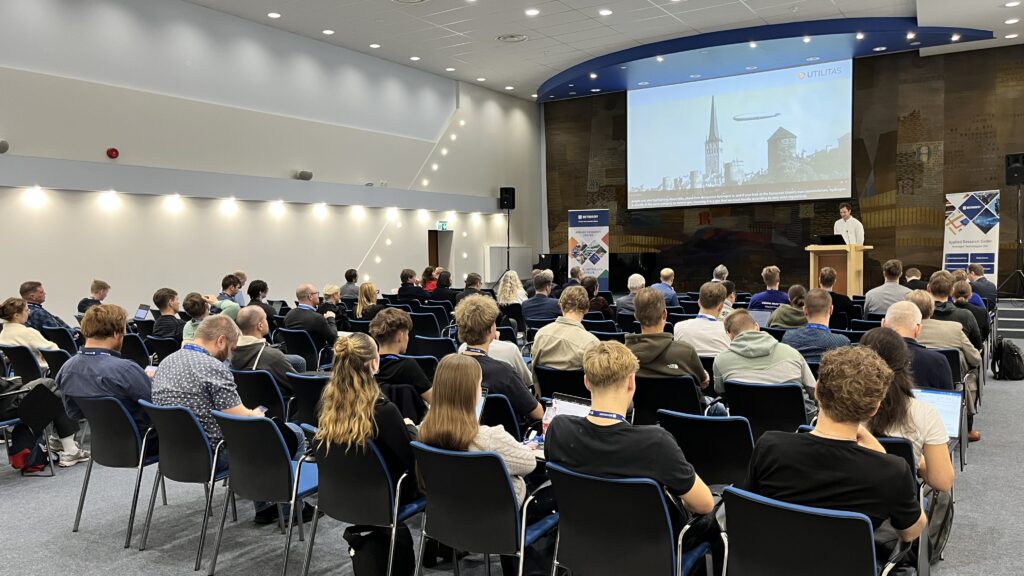
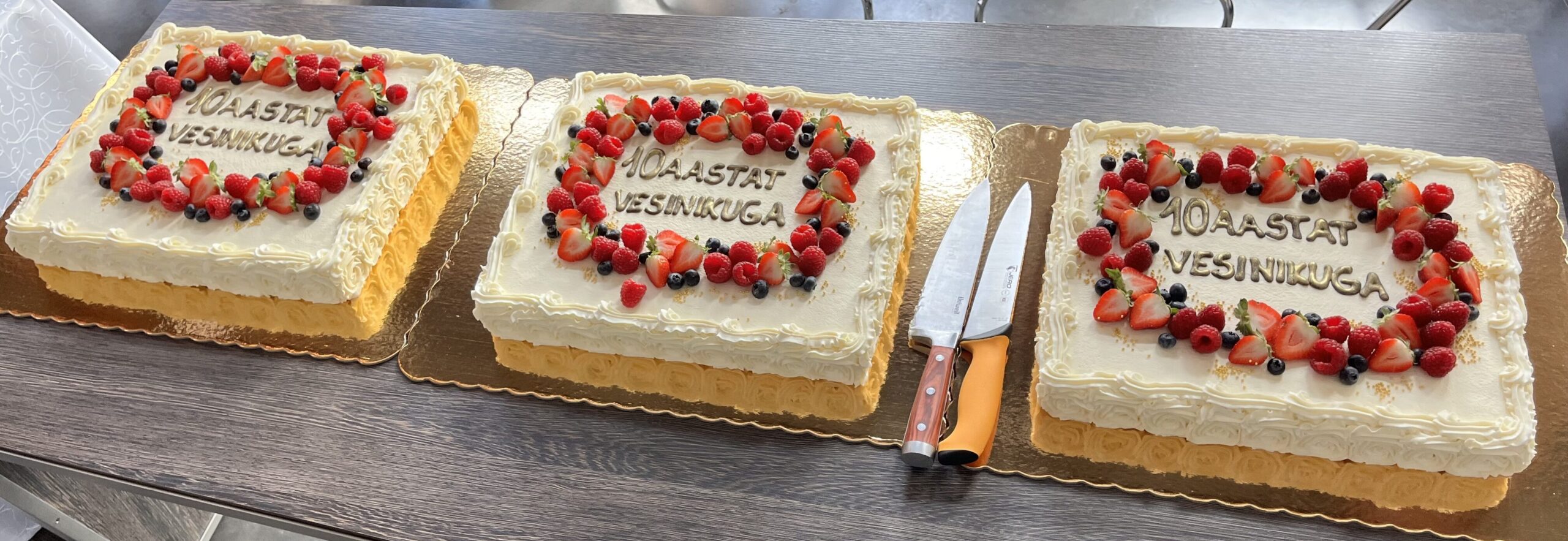
On October 8–9, the Hydrogen Days were held in Tartu for the tenth time, carrying the title “From Science to Market” to mark this year’s anniversary. The event brought together scientists, entrepreneurs, engineers, and executives to discuss what has hindered or accelerated the transition of hydrogen technologies from the laboratory to real-life applications. The prevailing realization from the discussions was that the path from science to the market is not paved by one single major breakthrough, but by extraordinary persistence.
While in previous years there have been broad discussions about the potential of hydrogen, this year’s anniversary-worthy Hydrogen Days focused on practical steps and creating a functioning whole. Through interviews, presentations, and inspiring conversations, answers were sought to the question of how to connect producers, technology developers, and consumers in a way that creates a viable hydrogen economy.
Long history and real applications
On the first day, a look back was taken at the history of hydrogen technology development. Professor Enn Lust provided an overview of the more than 250-year history of hydrogen technologies and Tartu’s long tradition of electrochemistry. His presentation took the audience on a journey from the times of Wilhelm Ostwald and the space technology developments of the 1960s to today’s modern hydrogen systems at the Chemicum.
The entrepreneurial perspective was introduced by Enn Õunpuu, who spoke about the more than 25-year journey of the company Elcogen. He illustrated the level of persistence required to move from the first laboratory tests of solid oxide fuel cells to today’s industrial production.
Adwin Martens shared the Benelux experience, emphasizing that a prerequisite for a functioning hydrogen economy is close cooperation between producers, developers, and consumers. One of the most important messages of his presentation was that, ultimately, trust in new technologies is built not by beautiful presentations, but by real, visible, and tangible applications.
Future technologies and youth innovation
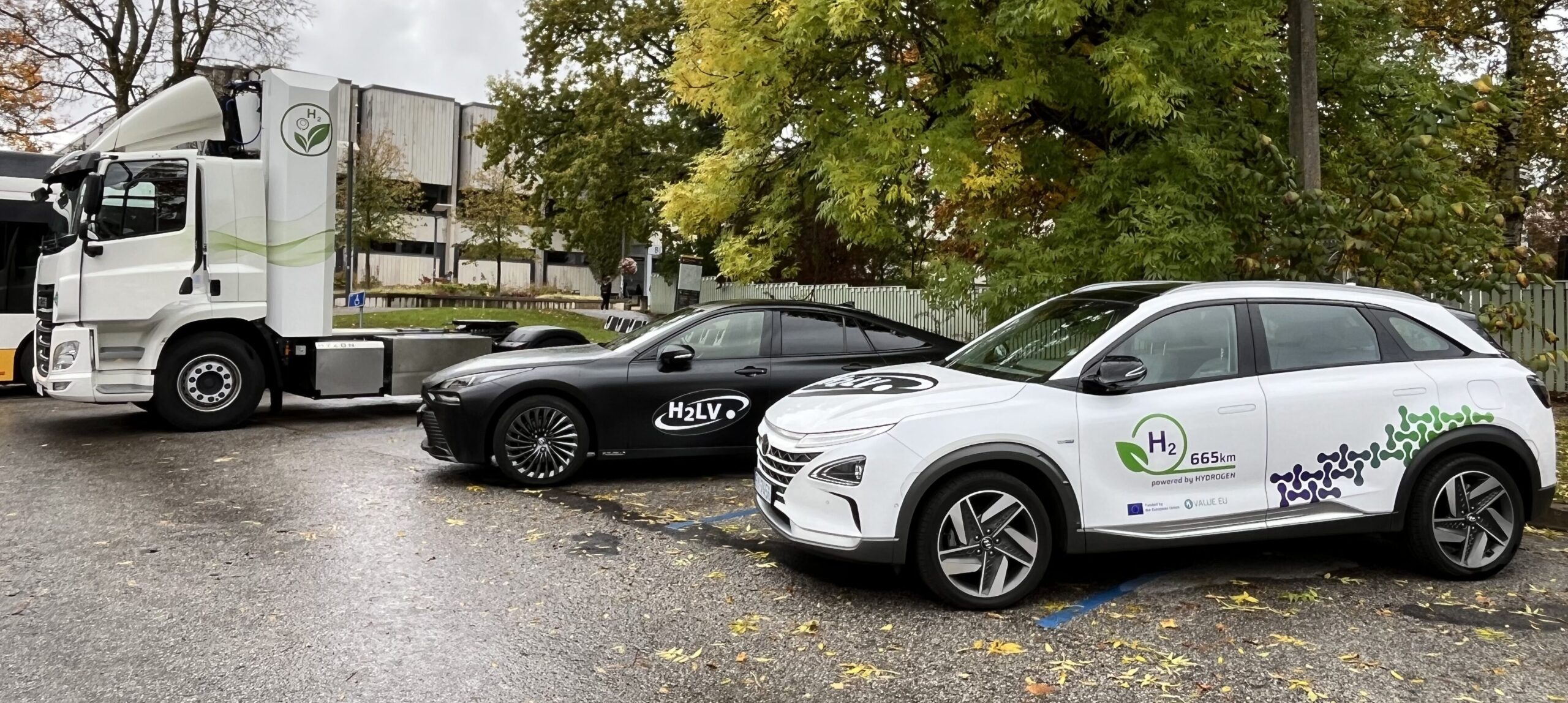
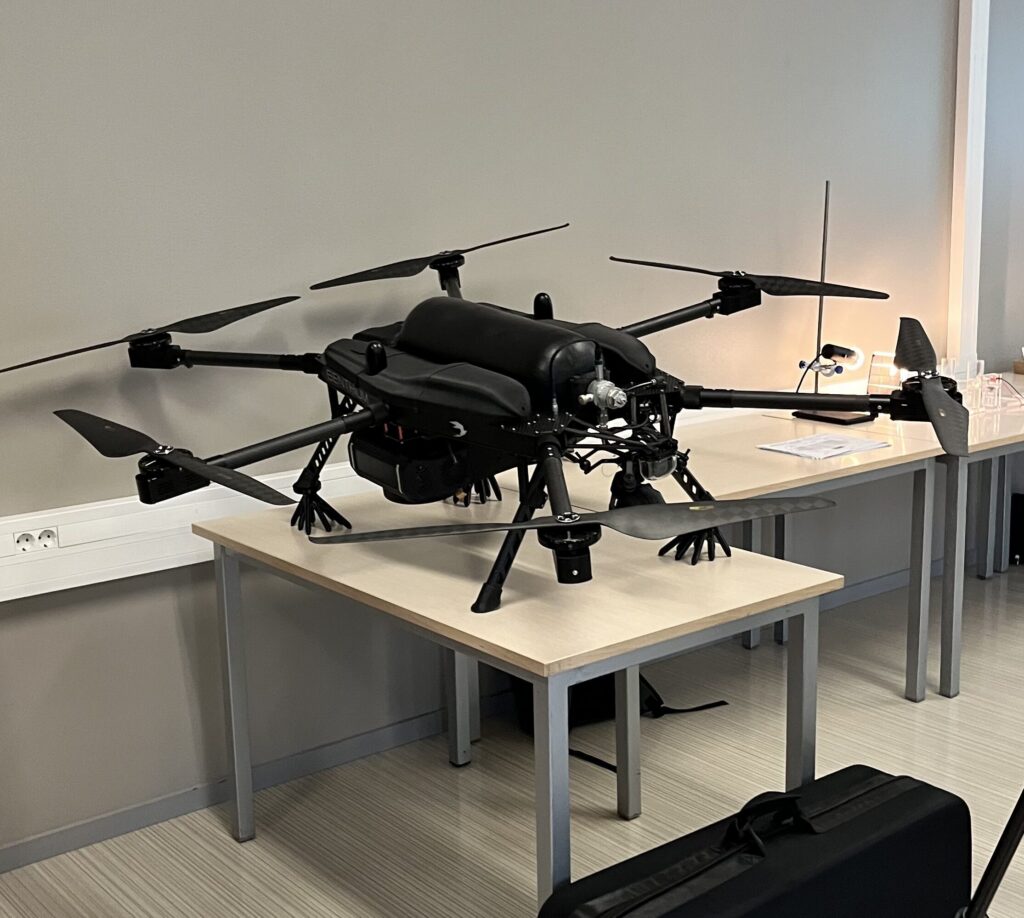
The second day focused on future technologies and the strategic choices necessary to achieve a functioning hydrogen economy. Alongside theory, practice could also be seen at the event – hydrogen cars, a bus, a drone, a truck, and other exciting solutions were showcased in the EXPO area.
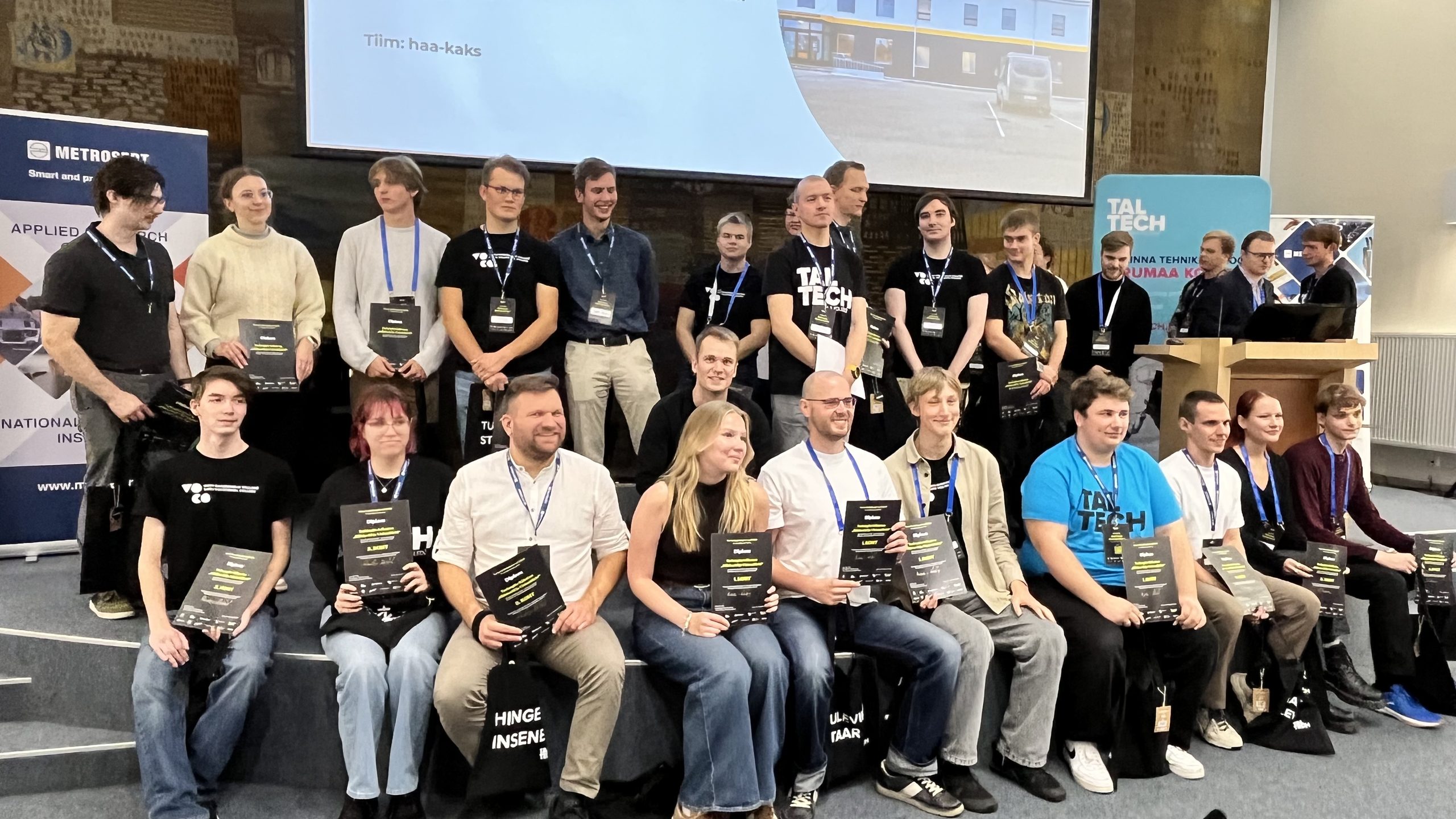
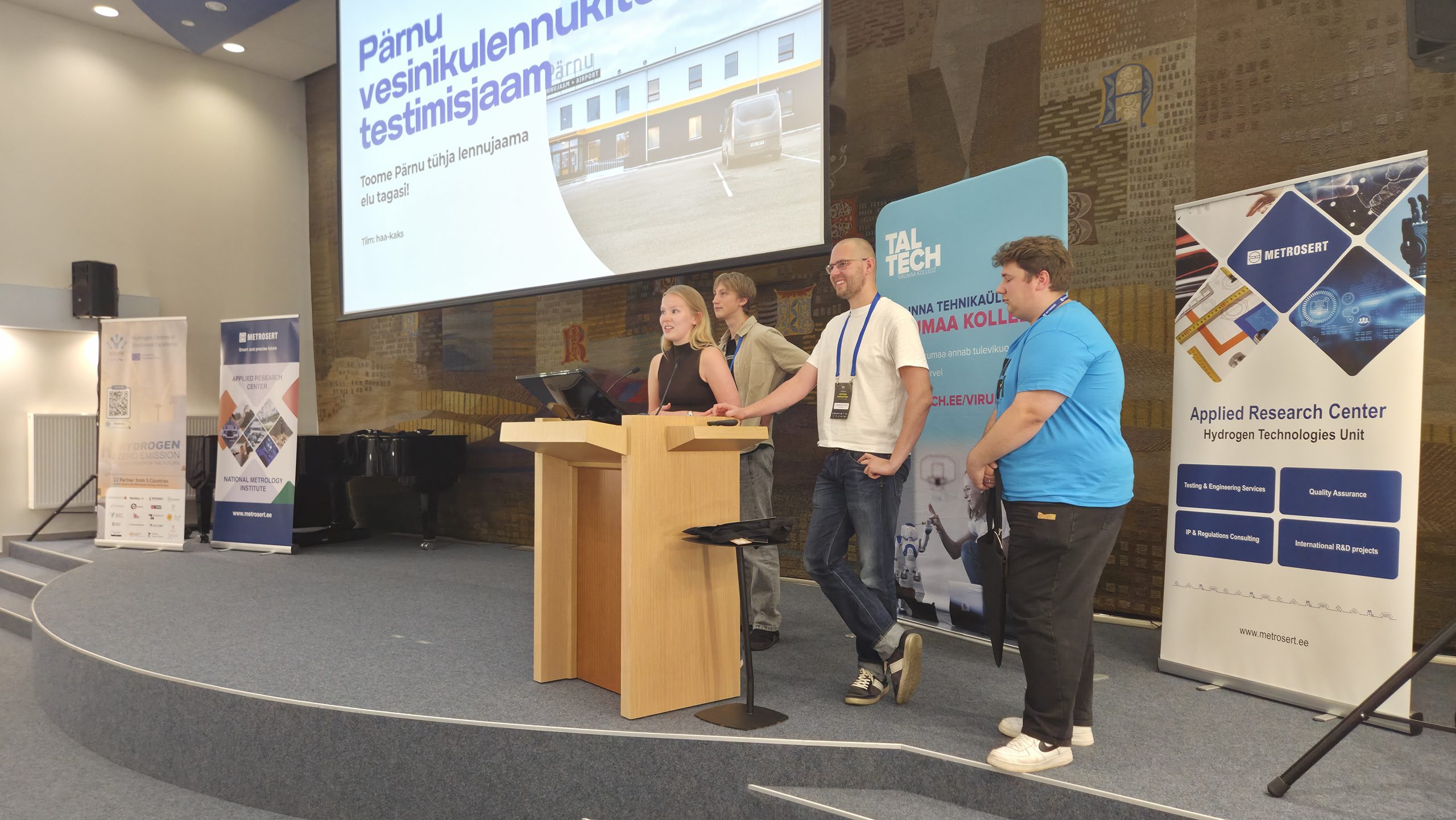
One of the culminations of the day was the finale of the student hackathon. Four higher education institutions and 30 students sought solutions to revitalize Estonia’s regional airports and find new business models for existing infrastructure. The hackathon was won by a team consisting of Marian Traus, Paul Vaidla, Alfred Fjodorov, and Laur Kristjan Salvan. Their solution was a hydrogen aircraft testing station in Pärnu, which linked the city’s existing advantages with the actual bottlenecks of aviation, backing the vision with real numbers. As part of the H2Cove project, the winning team will travel to Groningen, where Europe’s first hydrogen airport is being developed, to represent Estonia in an international hydrogen competition.
The Estonian hydrogen story is still taking shape
The event can be summed up by journalist Elo Ellermaa‘s thought-provoking realization that the Estonian hydrogen story has not yet been written. Many people in Estonia still lack a clear understanding of what hydrogen means for us. This narrative is still in its formative stages, and the direction of public opinion depends on it. Will hydrogen retain an image of something expensive, dangerous, and unrealistic, or will it be associated with pristine nature, energy security, world-class science, and Estonia’s own technology companies and future unicorns?
This year’s Hydrogen Days confirmed that the Estonian hydrogen community is ready to write this story itself – doing so one action and one story at a time.
A big thank you to all participants of the anniversary event. See you at the next Tartu Hydrogen Days!
Tartu Hydrogen Days are organized by Metrosert, in cooperation with the University of Tartu, TalTech Virumaa College, Tartu Vocational College VOCO, Alexela, Port of Tallinn, and the Latvian Hydrogen Association.
Watch the event recordings or view the presentations and photo gallery on Hydrogen Valley Estonia website.