
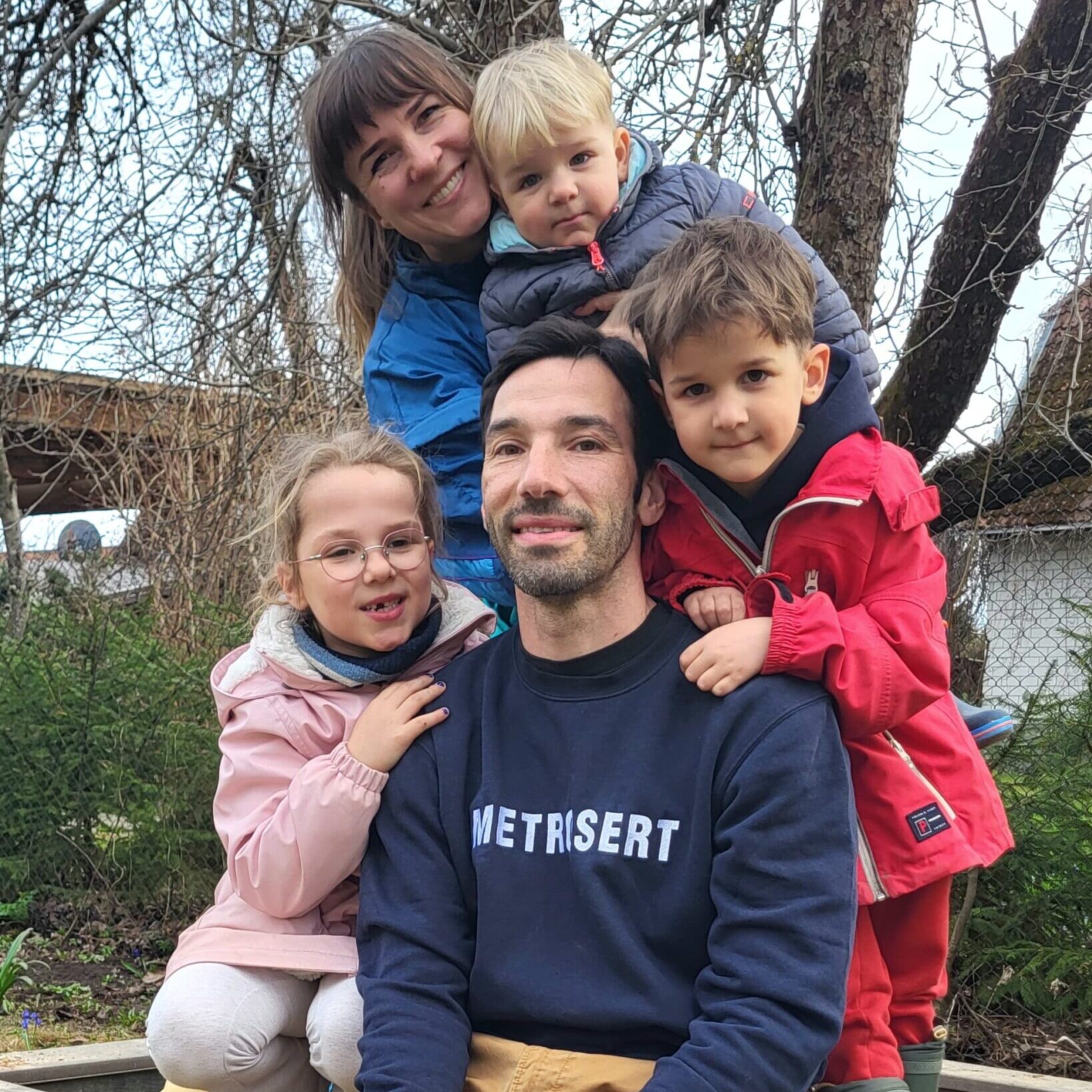
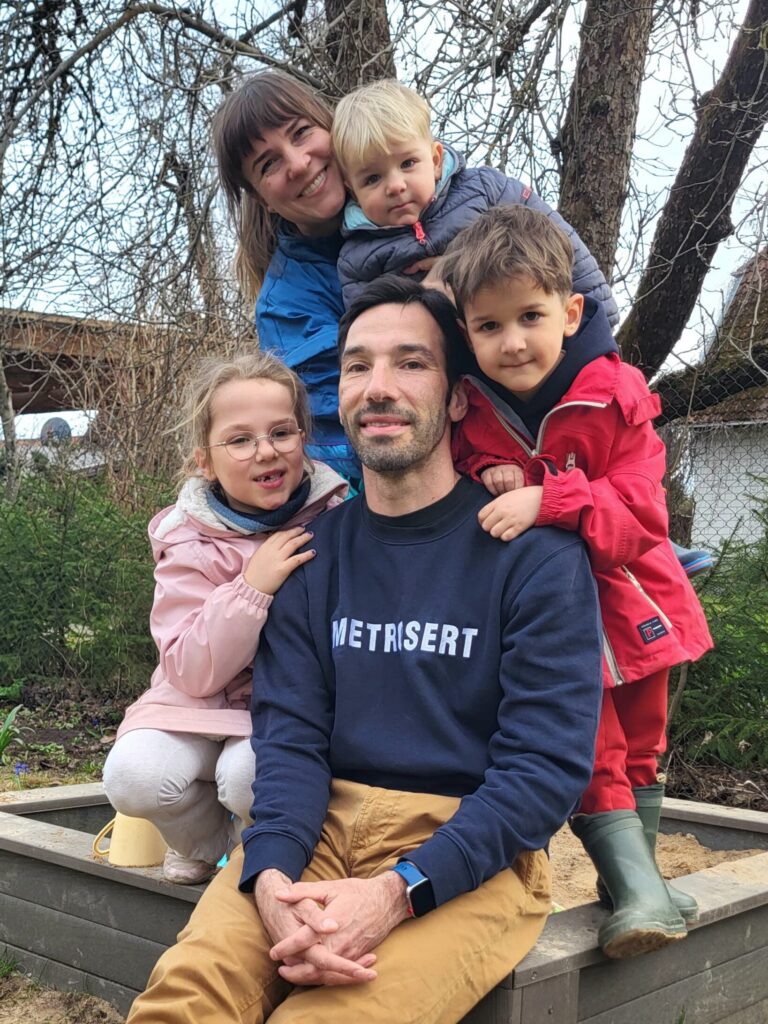
Javier Fernandez, a data scientist in the Health Data Unit of Metrosert’s Applied Research Center, says he does not have just one homeland. He has three: Germany, Chile, and Estonia. Each of them has shaped him in different ways and offered interesting opportunities to turn data into a foundation for meaningful decisions.
Today, he works with health data at Metrosert – a field where, as he puts it, it is no longer just about models and patterns, but about having a very direct impact on people’s lives. “When you work with data that helps prevent diseases, improve people’s health, and extend life expectancy, it feels real and meaningful,” he says.
From mathematics to the magic of data
Javier was born in Germany but grew up in Chile, in Santiago, a city of over seven million people. He attended a German-language school, and his mother, who is originally from East Germany, had a very disciplined and results-oriented approach to education.
“I had one task – to do well in school. Fortunately, that wasn’t difficult for me, and I developed a strong interest in mathematics and physics,” he says.
At university, he chose industrial engineering, which was an ideal combination of mathematics, programming, and systemic thinking. These areas quickly became his comfort zone and still form the foundation of his work as a data scientist today.
For Javier, data analysis is fascinating because it combines logic with something that is harder to explain. “It’s like a neural network – a very complex system that somehow works. You can have a messy dataset, but then patterns start to emerge and suddenly you understand something. There is something magical about that.”
Another equally important aspect for him is the visual side – how data can be presented. “Data scientists can turn a table with a million rows into a picture that makes the idea clear,” he explains. “Some people make very ugly visuals, but good data scientists create very beautiful ones – essentially art that tells stories. That’s a skill and a form of creativity.”
Data leads to better decisions
Javier has developed his “story-telling” ability across different sectors. After university, he started working in aviation at LATAM Airlines, where his task was to analyse flight routes and help decide where and when it made sense to add new flights.
“In aviation, everything is interconnected – you have to analyse demand, connecting flight schedules, seasonality, competition – who flies where, when, how often, and with what kind of campaigns,” he explains. “It was a very interesting experience, but it also showed that not everything can be fully formalised with data. Sometimes you still have to make decisions based on intuition.”
After moving to Germany, he worked in a large mining company and later moved into the insurance sector, where he modelled insurance risks based on weather data.
“Let’s say a farmer is growing avocados and there are critical months when he needs rain. If it doesn’t rain, the harvest fails. He needs insurance to cover that risk. To understand how big that risk is and how to price it properly, I analysed satellite data – for example, how much rain has fallen on that specific plot of land over the past 40 years during that period,” he explains.
Opportunities and responsibility
At Metrosert, Javier now works with health data, which is a very different experience for him.
“When you model weather, it’s interesting. But when you work on something like diabetes prevention, you are actually helping people. That’s a strong motivator, but it also means you have to learn a lot more about the domain,” he says. “I don’t have a medical background, so every project starts with learning – scientific articles, previous studies, context. You can’t analyse data if you don’t understand what it represents.”
At the same time, he emphasises that working with health data is never just a technical matter. “You have to be extremely careful. There need to be strict controls in place, the data must be anonymised so it cannot be linked back to individuals. The system has to be trustworthy and ethical.”
A large part of the work also involves improving the system itself – making existing data more usable for secondary analysis. “We work on that every day,” he says.
Science that has to work in practice
The Health Data Unit at Metrosert focuses both on research – creating new knowledge from data – and on practical solutions that help systems function better. “We don’t do science for the sake of science,” he says. “We use data to answer concrete questions.”
This can mean, for example, finding evidence-based ways to improve children’s physical activity or understanding what factors lead to obesity. At the same time, the unit develops predictive models and software solutions – such as tools that help hospitals plan the work of doctors and nurses more efficiently.
“It may look like a health-tech startup,” he says. “But we don’t compete with them. We help bridge the gap between science and business, helping technology developers overcome common bottlenecks and increase their chances of success.”
According to him, Estonia offers strong business potential in this field, as it is a highly advanced digital society with systematically collected health data. “Compared to Germany, the difference is huge. There, data is fragmented and difficult to access. In Estonia, it can actually be used for secondary analysis to improve things.”
Work–life balance
Javier’s daily work alternates between deep focus and communication – part of his time goes into learning new topics, reading scientific articles and existing code, part into programming, and part into working with clients to keep the work aligned and understandable. This variety, along with the freedom to shape his own work, is one of the reasons he enjoys working at Metrosert.
“Compared to large international organisations, there is more flexibility, more freedom, and more room to contribute, while still having a supportive environment and all the necessary modern tools,” he says. “What I particularly value is the ability to work remotely – since I live in Türi, that flexibility is very important to me.”
Although Metrosert is currently in a rapid growth phase, which might sound like long hours and an overwhelming workload, Javier says that this is not the case. On the contrary, his work allows him to maintain a good work–life balance.
“I have a wife, two sons, and a daughter. I want to spend my free time with them,” he says. “I don’t trade that for work.”
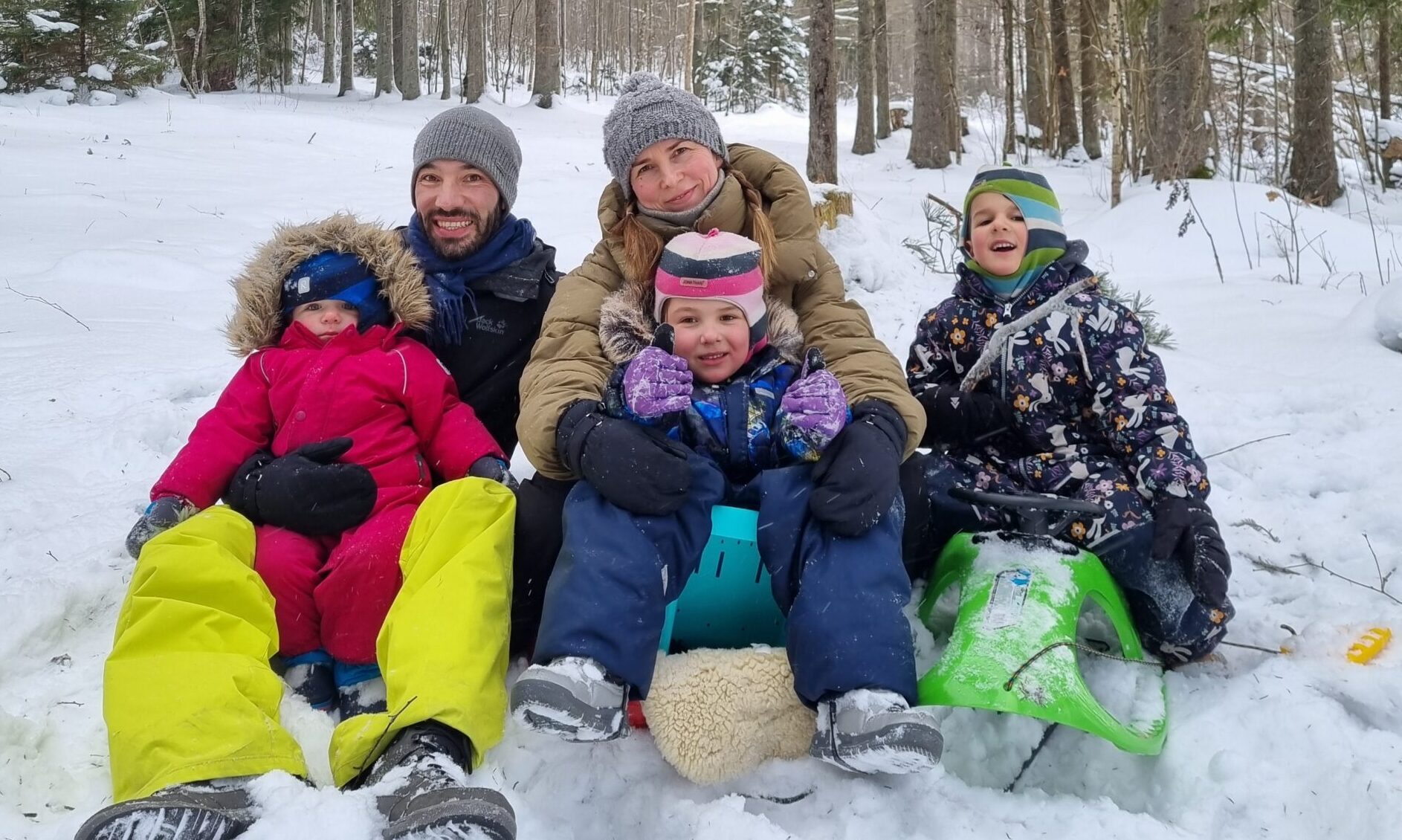
He also draws a comparison with Germany, where constant overtime is not seen as a sign of success. “There, people might say that if you are always working too much, maybe you are just not efficient enough,” he explains. “If people are well-rested and have balance in their lives, they are in better mental and physical health and they do better work.”
Blending cultures
This mindset has been shaped by his experience living in Chile, Germany, and now Estonia, which has given him a clear perspective on how differently people relate to life and to each other.
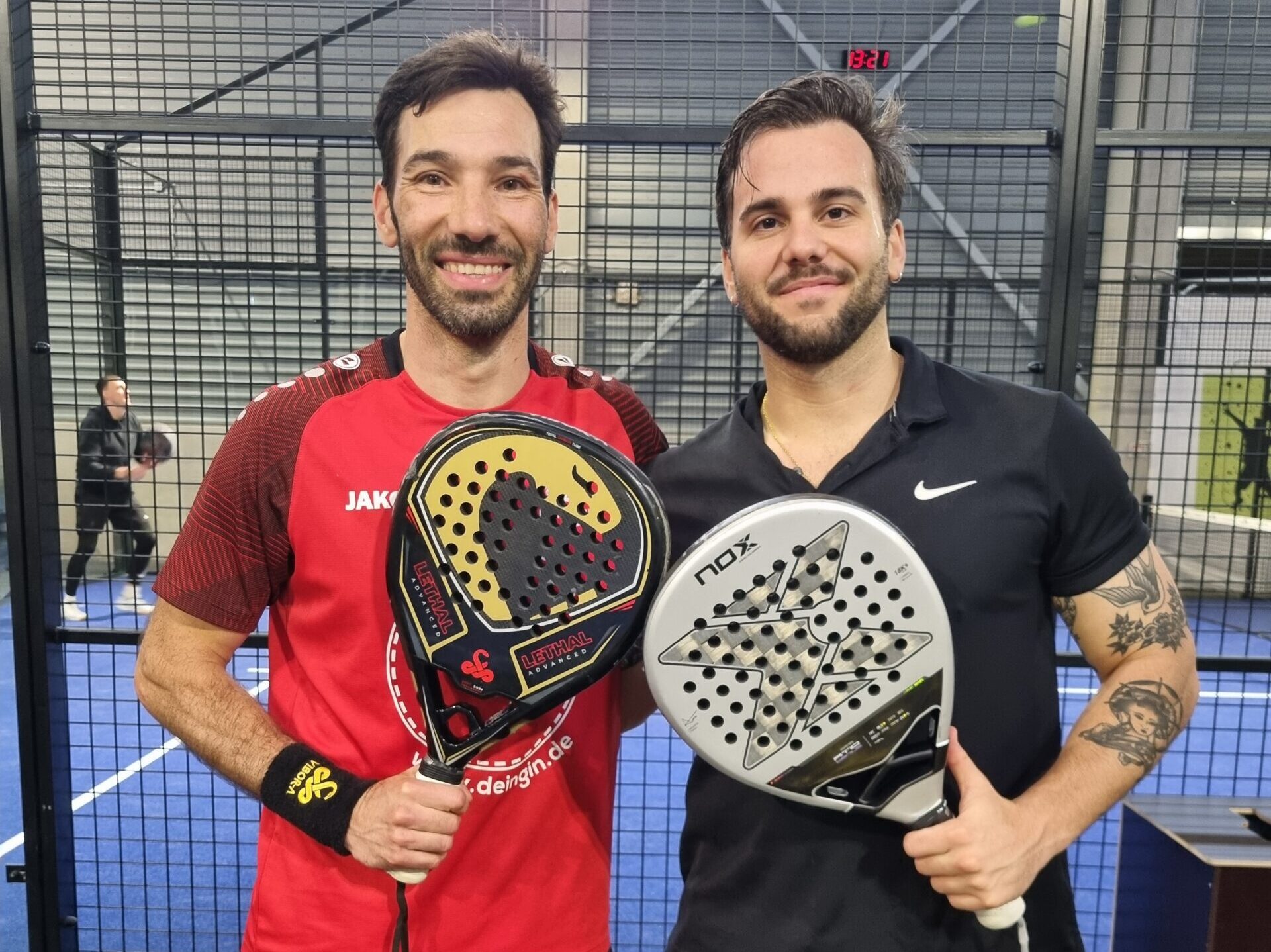
“Latin Americans are very open and talkative. Silence is uncomfortable – it has to be filled,” he says. “In Estonia, it’s the opposite. Silence is normal and no one feels the need to fill it.”
First impressions also differ significantly. “In Latin America, you want to make a strong first impression – eye contact, a firm handshake, maybe even a hug. Here, people are more reserved at first.”
He recalls how, when moving to Estonia, his wife tried to balance expectations. “She told me to be prepared – Estonians might seem cold. At the same time, she told her friends to be more open so I wouldn’t think they didn’t like me,” he says. “But when we met, I was the one who felt awkward because of how openly they welcomed me.”
Over time, his understanding has changed. “Estonians are actually very warm people – it just takes time to get there,” he says. “And I’ve learned to really appreciate the silence.”
Another completely new experience for him was Estonian sauna culture. “The first time was quite strange – I was sitting in a small hot room with four naked men, talking about life,” he recalls. “We went outside, I took a shower, got dressed, and then my wife asked: what are you doing, you’re going back, that’s how it works!”
Today, sauna is a natural part of his life – something that fits any moment, whether in summer or winter, during the day or in the evening, with children or without.
A good place to live
Javier lives in Türi and says that the small-town, nature-oriented environment is one of the reasons Estonia suits him so well. “There is space here, you can breathe. There is nature where you can go and enjoy the silence or train for a marathon. It’s a very good and safe place to live, especially for raising children. Estonia also has a very strong education system and very efficient digital services, which makes life much easier – especially now, as we are building our house.”
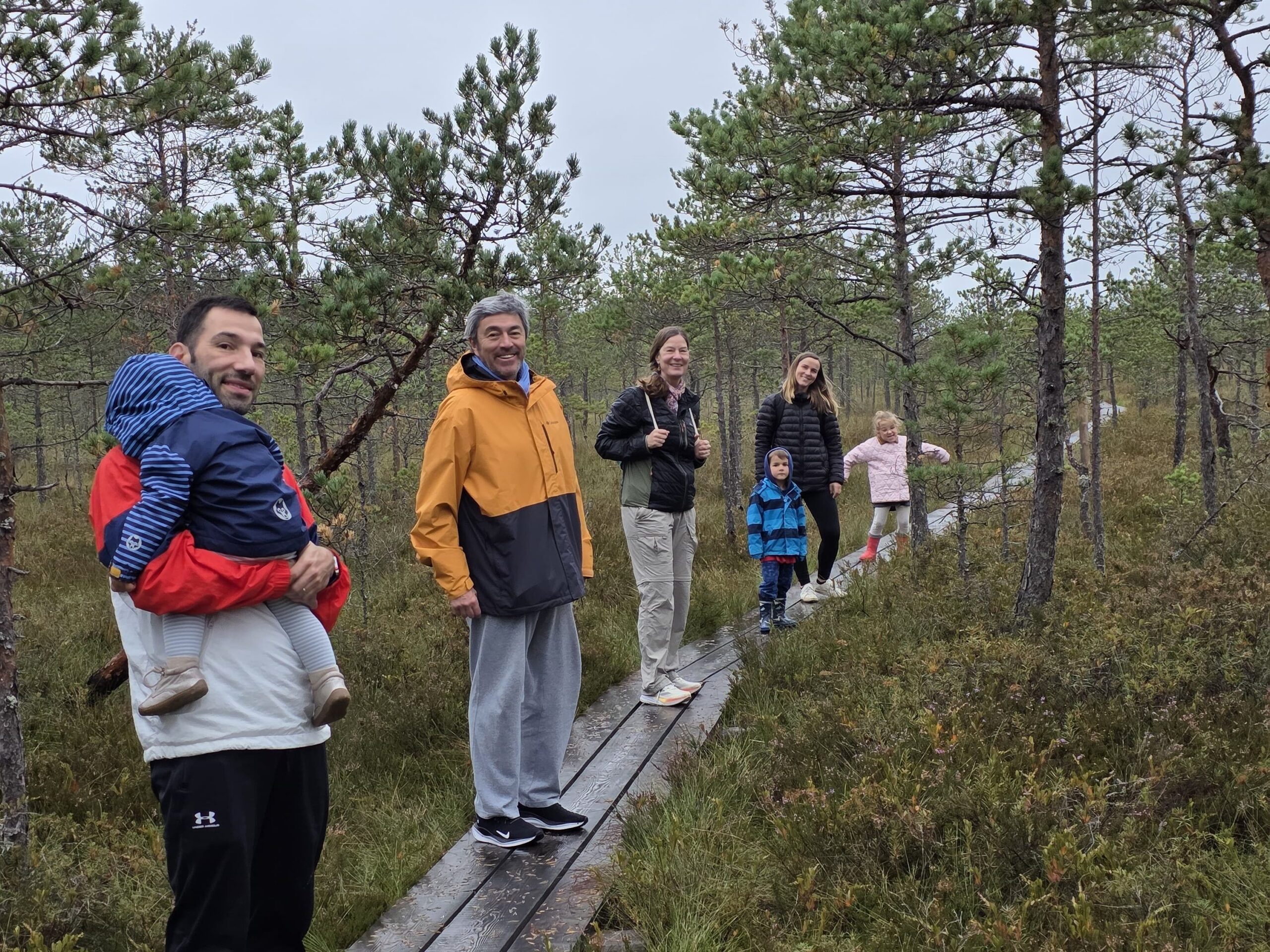
Cultural differences are not an obstacle for him, but something he values. “I feel at home in all three countries – Germany, Chile, and Estonia,” he says. “Each of them has something that I like and that has become part of me.”
At the same time, he admits that to fully integrate into life in Estonia, he still needs to learn the language. “I think that’s the only way to truly understand the culture and the people here,” he says.