
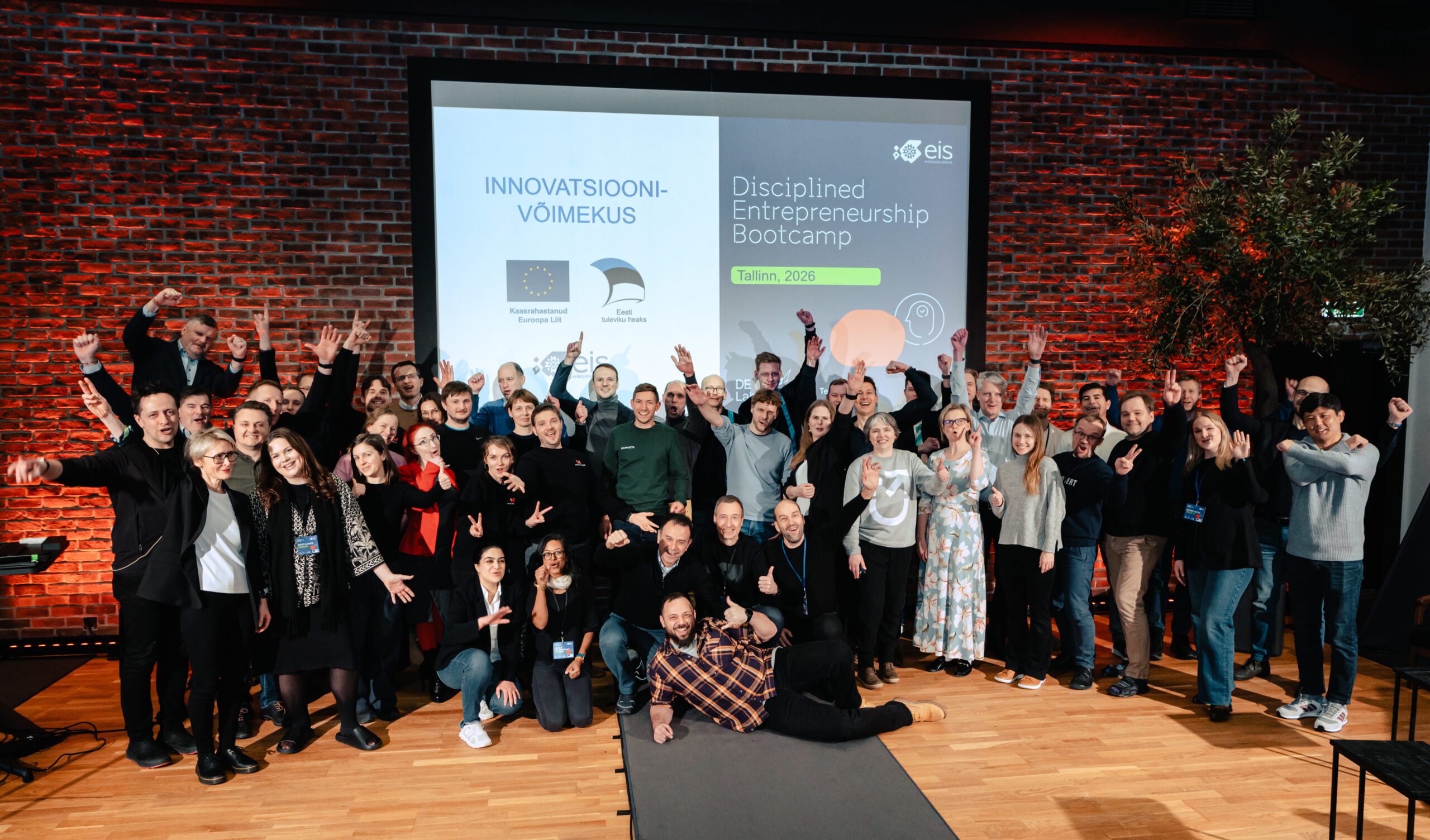
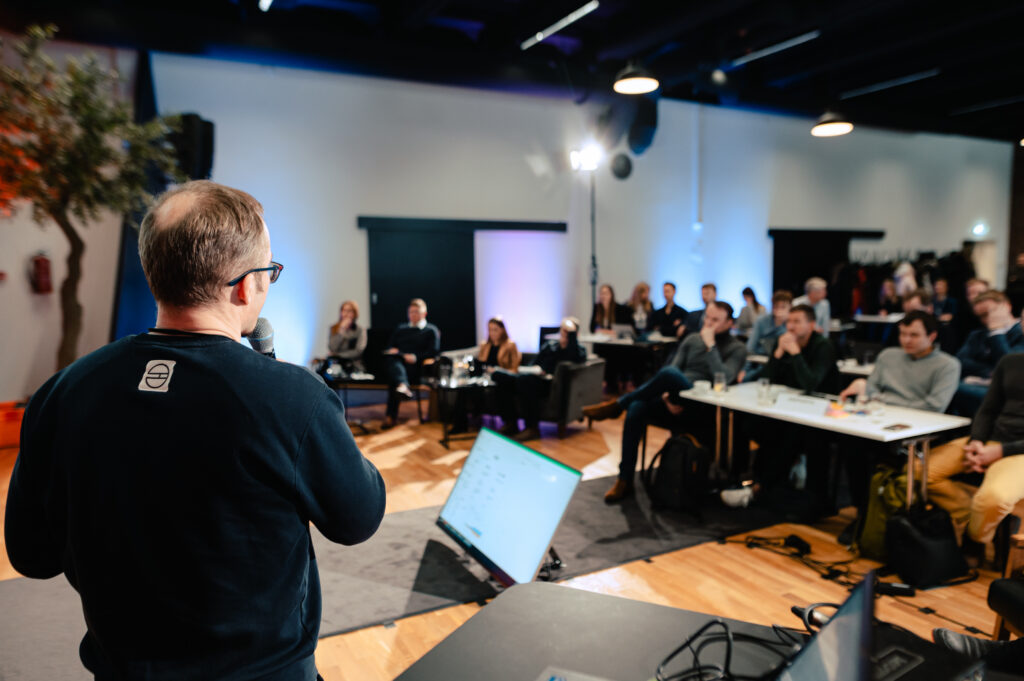
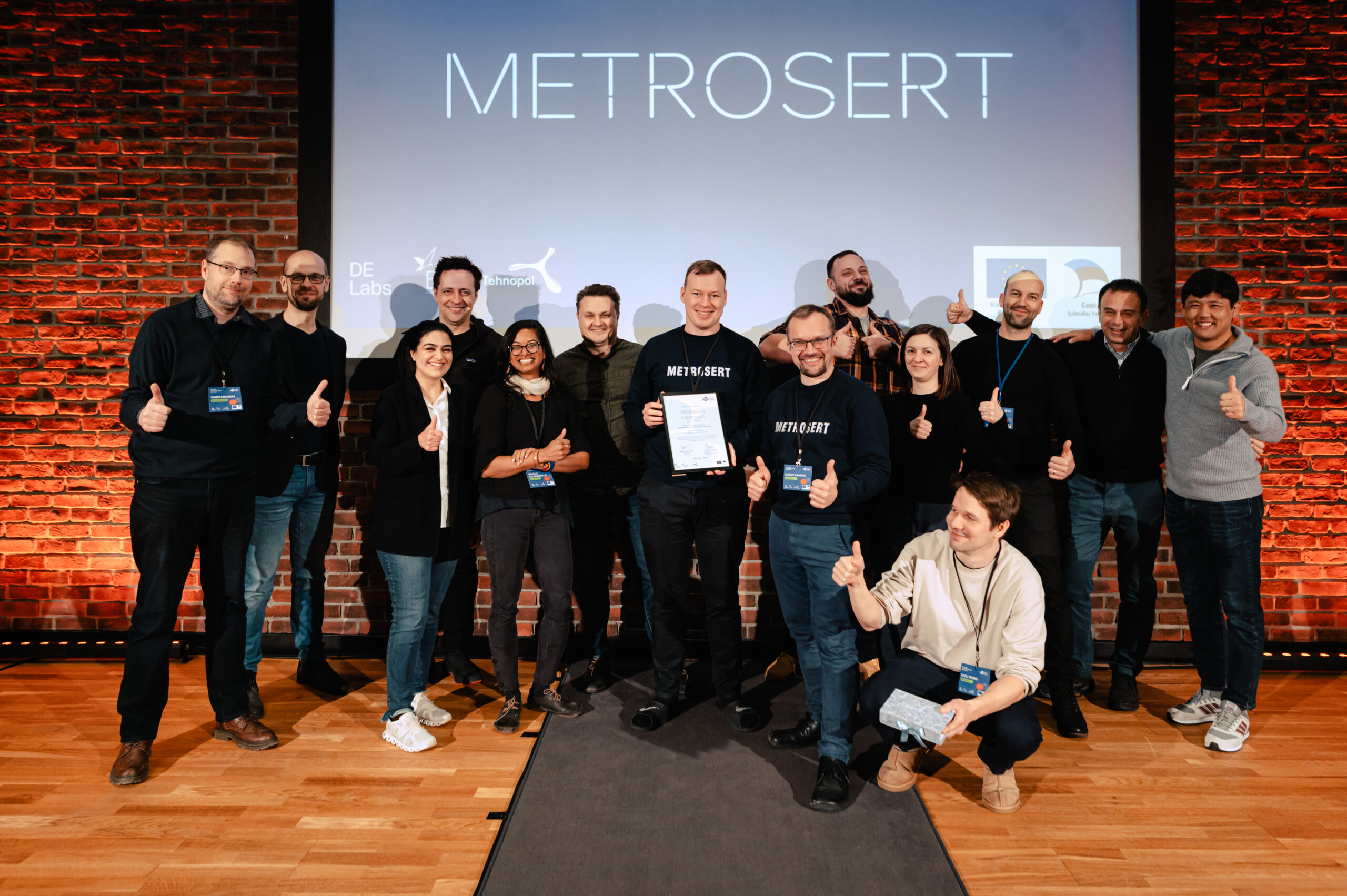
Disciplined Entrepreneurship Bootcamp is not a conventional training course, but an intensive training marathon. The days began at eight in the morning and ended at midnight. This pace continued for four consecutive days. On the fifth day, final presentations took place and the programme concluded with a formal closing.
Why did members of the biorefining team, Karl Peebo and Jaan Jantson, together with Business Development Manager Kalev Kaarna, decide to participate in this programme?
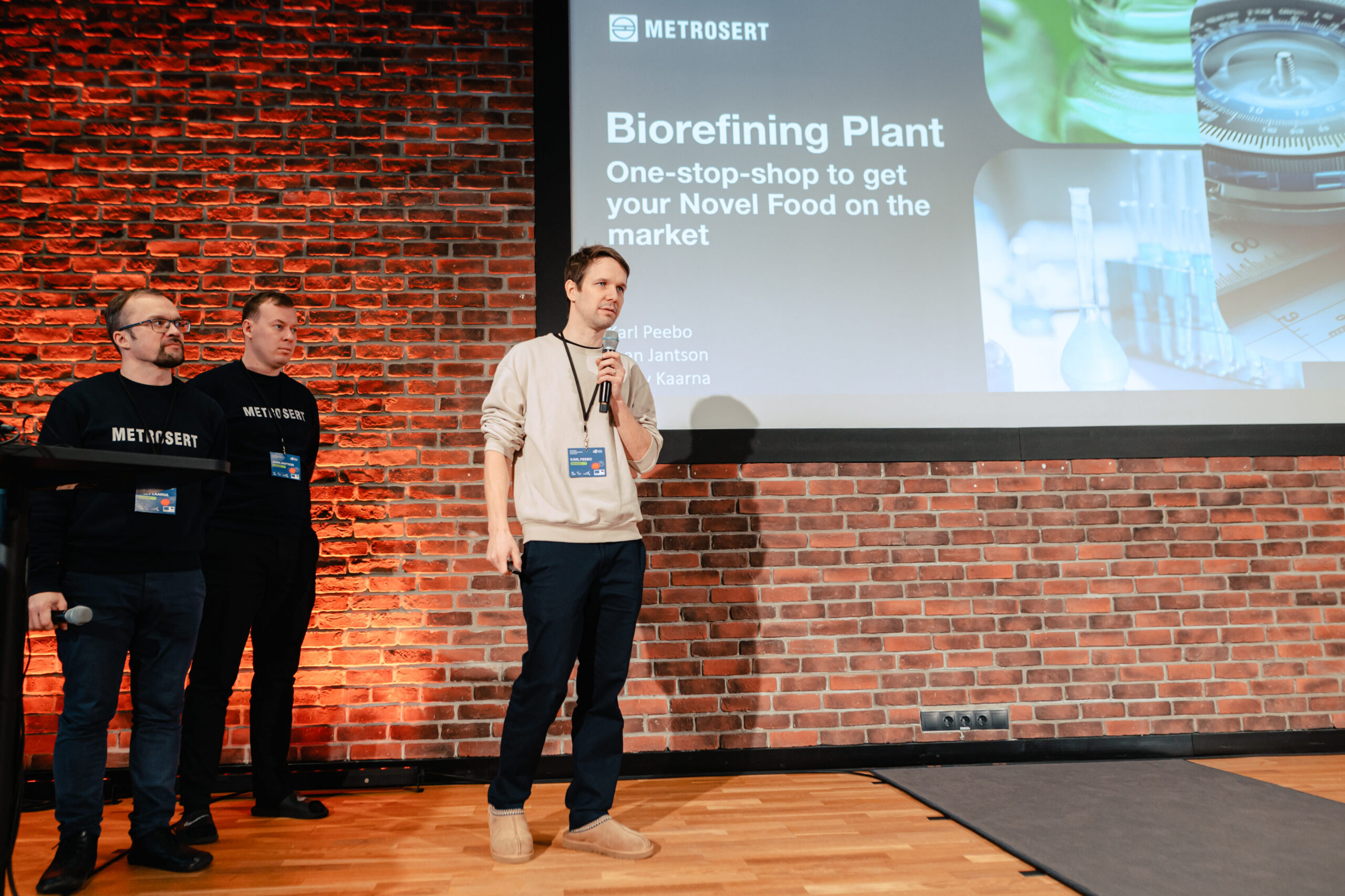
The future biorefining equipment park will enable the provision of services on a very broad scale and to a wide range of companies. However, if the target group is not clearly defined, it is difficult to achieve deep competence and a distinct level of expertise in a specific field. Not all customer segments are equal. Some are easier to serve, while others require more complex solutions. For some clients, price is not as important if a critical problem is solved; for others, price is the decisive factor. Therefore, it is important to determine which customer segment is the most suitable for launching the service and to design a strategy within that segment that enables the achievement of the set sales objectives.
Disciplined Entrepreneurship (DE) is one of the most widely used entrepreneurship frameworks and toolkits for addressing this challenge. The creator of the methodology is the three-time American entrepreneur Bill Aulet. After selling his third company, he raised the question of why there had not been a clear and systematic guide available when he founded his first company. Since no comprehensive book covering such an approach existed, he compiled the necessary principles and steps into a single framework and wrote a book based on it.
The DE methodology consists of 24 interconnected steps. Its objective is to map the key elements of the entrepreneurial journey and to direct attention to critical decision points. The central principle of the framework is to ask customers the right questions in order to design a solution that helps overcome their most pressing problems. In other words, to solve shark bites rather than mosquito bites.
During the training, the biorefining team focused on developing services that would be useful for novel food developers. With modern technological solutions, it is possible to use bacteria or yeast to produce, for example, milk without cows, eggs without hens, or meat without cattle. Bringing such products to market in the European Union is complex: review of production processes, safety analyses, and communication with regulators statistically take 3–6 years. Metrosert’s objective is to help start-ups reduce the time and resources required for this process by 30–50%.
During the five-day training, the following topics were addressed:
- defining the customer and the problem to be solved
- selecting an appropriate market segment
- conducting customer interviews and formulating the right questions
- testing product value with the customer before finalising the product
- making the product’s value measurable for the customer
- finding customers and understanding the purchasing process
- scaling sales
- finances and profitability
- organisational structure: people and metrics
The greatest benefit of the training was the systematic approach and the development of a shared language, which helped to understand customer problems and to focus on creating value rather than describing equipment features.
As the topics were explored in greater depth, it became clear that the team lacked sufficient knowledge about customer problems and choices to make well-founded decisions. The office of one potential client was located nearby, and one of the key persons was willing to provide a two-hour interview. Although this meant missing two lectures, answers were obtained to several important questions.
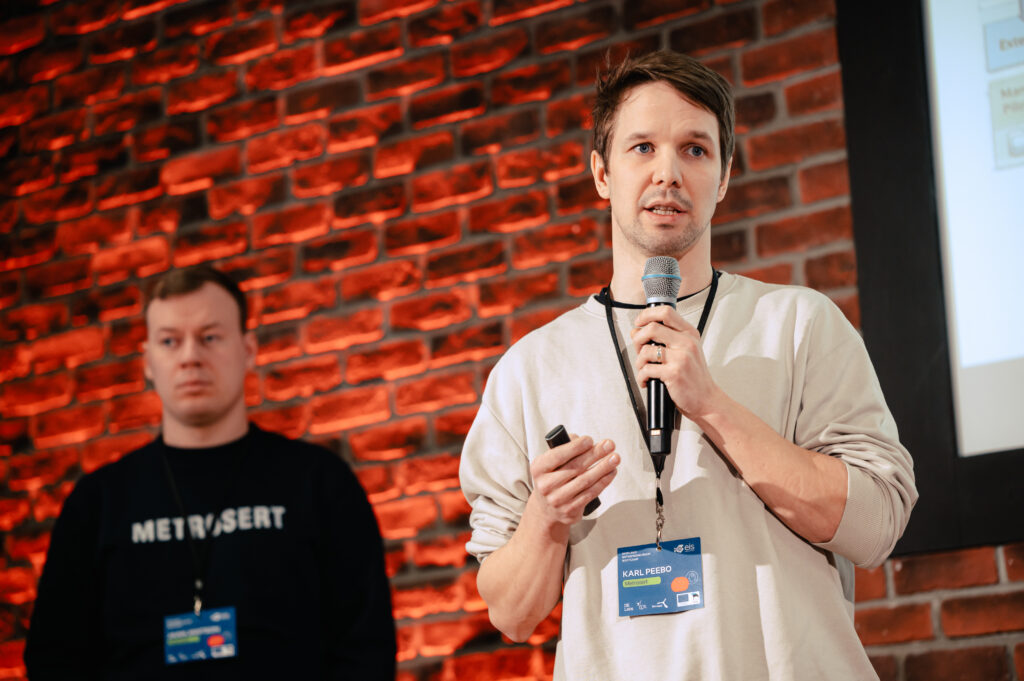
Karl and Jaan applied the knowledge acquired during the training already in the following weeks by participating in various conferences and meeting with several potential clients. The conversations were more productive because the focus was primarily on asking the right questions and speaking minimally about the planned services. As a result, several follow-up meetings were agreed.
Although the 70-hour training was physically and mentally demanding, it provided the team with a clear methodological framework and practical skills to support customer relations and service development.
Photographer: Tiit Tamme