
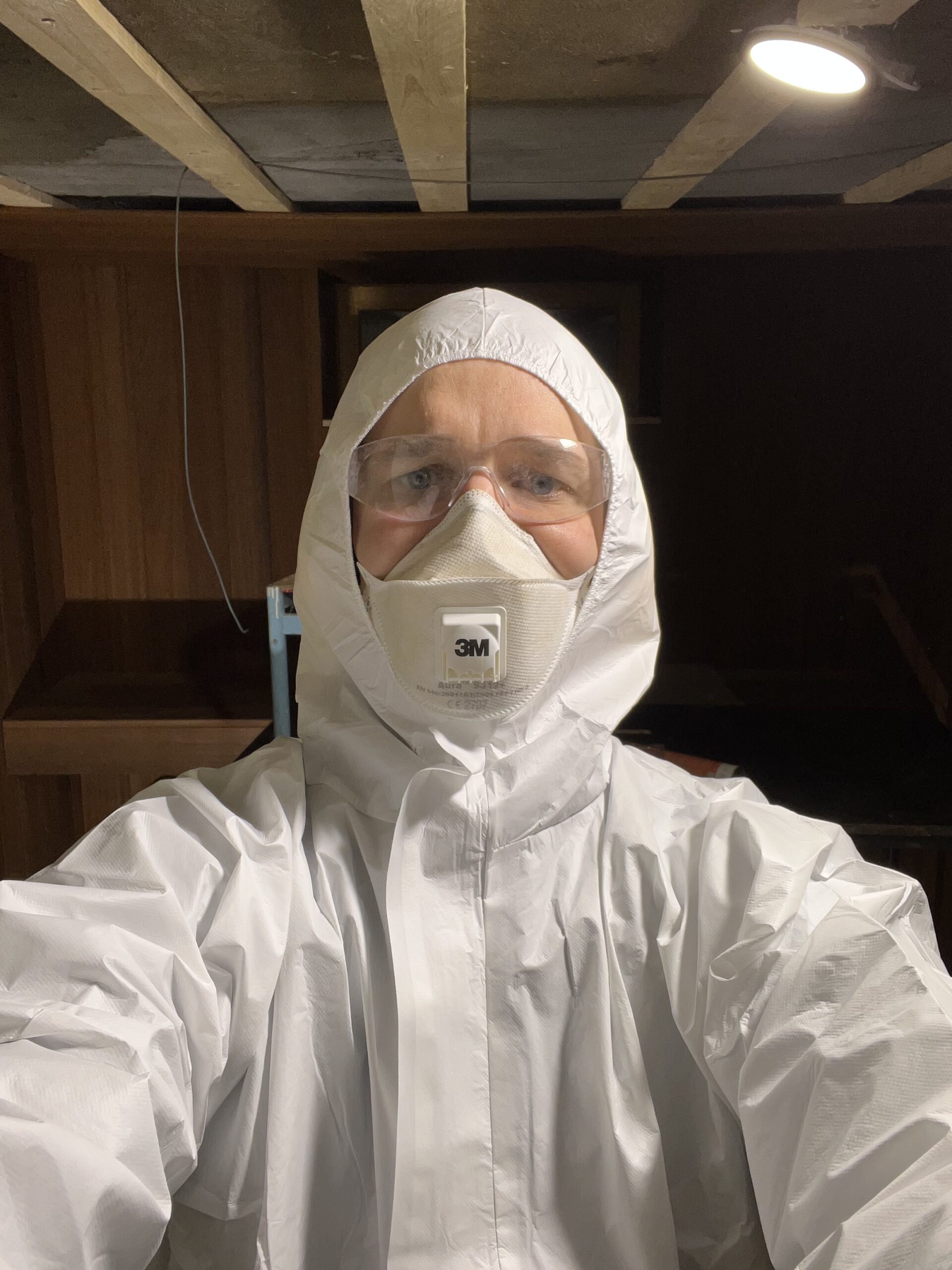
A few months ago, Karl Peebo began a new chapter in his professional life at the Applied Research Center of Metrosert. He joined the Biorefining Unit as Business Development Manager and is currently also serving as Acting Head of the Unit.
A career in science was not an obvious choice from childhood. Reflecting on that decision, he traces it back to an online lecture he once watched.
A motivation to contribute to sustainable development
“In his climate presentation, Al Gore showed a graph depicting atmospheric carbon dioxide concentrations over hundreds of thousands of years. Until a certain point, the levels fluctuated within natural limits, but then the curve rose sharply – almost vertically. To emphasise this visually and dramatically, Gore rode a lift on stage up to the ceiling, to the ‘peak’ of the graph, explaining the level of climate challenges we are leaving to future generations,” he recalls.
Karl believes that lecture laid the foundation for his interest in environmental protection and sustainability. When entering university, he chose the closest field through which he could contribute in a substantive way: chemistry and genetic engineering.
At the same time, his curiosity about how things work did not begin at university. Time spent in childhood building various objects with his grandfather taught him persistence and focus. His first chemistry experiments also date back to that period.
“I clearly remember mixing magnesium powder and potassium permanganate and igniting the mixture. The reaction resulted in a vigorous oxidation process and a blinding flash.”
This hands-on mindset has remained with him. “Recently, an electrician was automating the communication between a heat pump and an electric heater and managed to trip the fuses and disable the automation system. I turned to YouTube and ChatGPT, studied the system logic myself, and eventually explained to the electrician how to make the solution work correctly. The only downside was that I still had to pay the electrician,” he says with a smile.
Being in the right place at the right time
Karl’s path as a researcher accelerated when he joined the Center of Food and Fermentation Technologies (TFTAK) already in his first year of studies. He arrived at a pivotal moment.
“We had a new world-class laboratory and the feeling that we were doing something that truly mattered. We worked under the guidance of Professor Raivo Vilu, a leader with a strong sense of humour and an inspiring presence. Around him, a strong core of young doctoral researchers had formed. That group has later been jokingly referred to as the ‘Vilu mafia’ – many of those doctoral students are now leading figures in Estonia’s biotechnology industry and research,” he explains.
Beyond scientific excellence, he emphasises the working atmosphere at TFTAK – people eager to collaborate, travel, learn and see the world. A year of studies in Spain and a six-month assignment in Norway reinforced his understanding that science is not the work of isolated geniuses, but a collective effort.
“As a young researcher, it is easy to focus entirely on your own project. In reality, science is built on collaboration. The sooner you understand that others are willing to share their knowledge and support you, the easier it becomes to navigate this world.”
He also learned another principle: patience. “For something to happen in science takes a great deal of time, and translating that into real-world impact takes even longer.”
Entering deep technology entrepreneurship
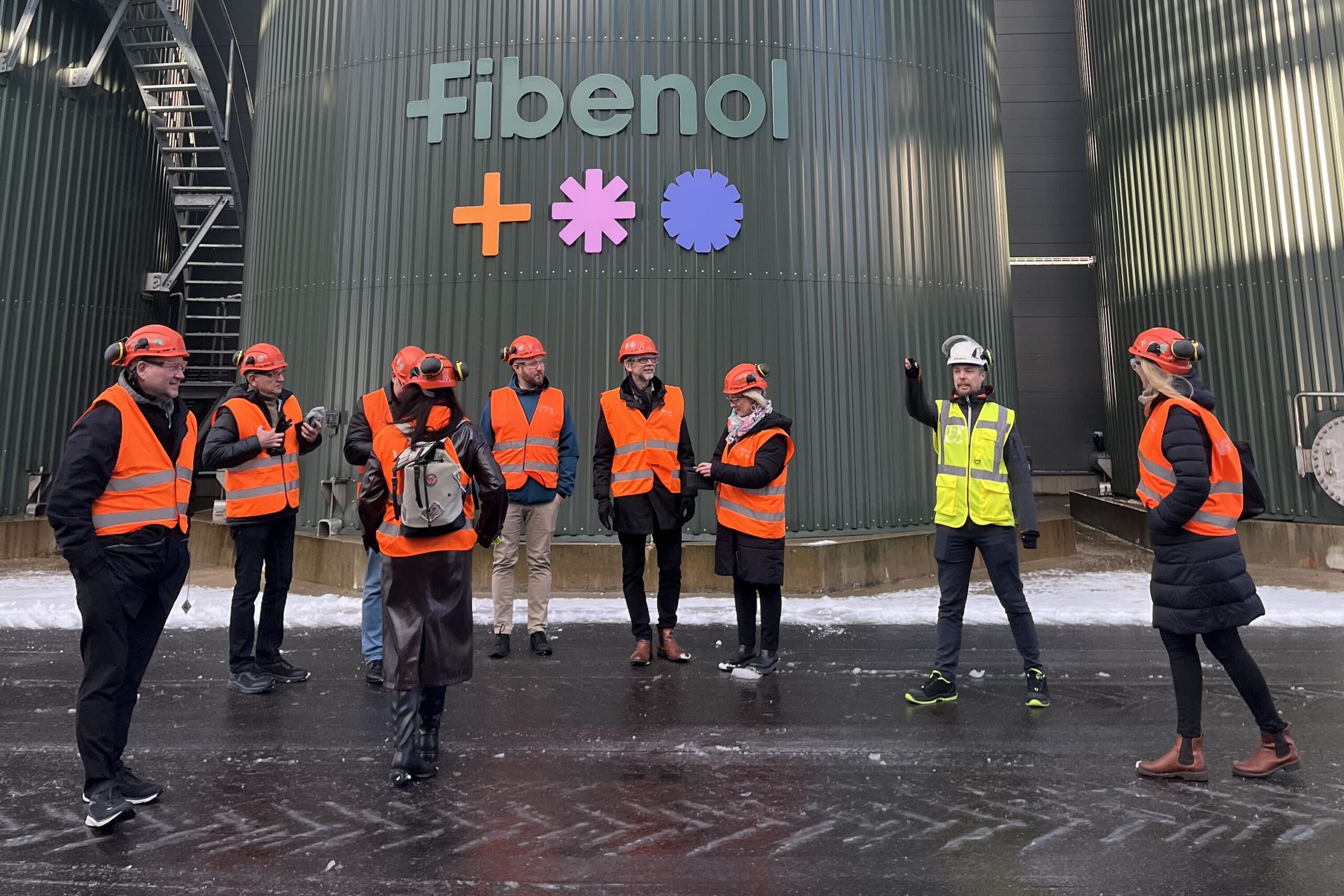
Six years at the wood biorefining company Fibenol brought Karl from academia into the centre of deep technology entrepreneurship. He joined the team at an early stage, when the company had a vision and an idea, but no operating business model or plant.
“When you are doing something globally novel and necessary, it is surprisingly easy to open doors. Europe’s largest chemical companies picked up the phone, listened, and launched large-scale development projects to integrate biomaterials produced in Estonia into their formulations. It was an exceptional opportunity.”
Coordinating international projects and working with clients provided him with a broad perspective on the sector, from technology to market expectations. He witnessed how an idea evolved into a globally unique biorefinery complex.
At the same time, the period was intensive. “A startup mindset means doing a great deal of different things in a short time. Responsibility and workload increase rapidly.”
In 2025, Karl decided to spend a year at home with his child. The break allowed him to slow down and reflect on his path. “I was not afraid of losing my connection to science. Rather, I felt the need to pause and consider what I wanted to build next.”
Building a platform at Metrosert
Today, Karl works as Business Development Manager in the Biorefining Unit of Metrosert. Although he has been in the role for a short time, he is already involved in strategic decisions.
“What attracted me to Metrosert was the opportunity to build something from the ground up. Not just a laboratory or a plant, but a centre of critical importance for the development of the entire field.”
He began his scientific career in fermentation and remains convinced that this technology has significant potential to change how products are manufactured. Substances currently derived from fossil resources or animal production could, in many cases, be produced more efficiently in bioreactors. He views Estonia’s decision to invest in the sector through the establishment of a biorefining pilot plant as a strategically important step. He also notes that the Head of the Unit, Kaupo Reede, has entrusted him with considerable responsibility in shaping the unit’s direction.
For Karl, business development in a scientific organisation means assembling value chains. Biotechnology does not function within a single company; it requires raw materials, processes, technology, clients and an appropriate regulatory framework that all align. It is a capital-intensive and highly regulated sector in which collaboration is not optional.
“We do not simply offer development services. We help reduce risk, shorten timelines and build credibility in international markets. When a university spin-off or startup with an innovative idea approaches us, they find a partner who helps them avoid major pitfalls. With our support, their chances of finding the right partners and technologies and reaching a marketable product increase significantly.”
Karl brings together international consortia in which an Estonian startup may collaborate with five to ten European companies and end users. Multi-year projects provide both experience and credibility that would be difficult to achieve independently.
Metrosert’s role is to provide an environment where companies can test their processes without having to build their own costly pilot plant. “Many early-stage companies do not have the time or capital to construct a small plant solely for testing. Using a shared platform is more rational,” he explains.
A large project, a small team
At present, the primary focus is on establishing the pilot plant of the Biorefining Unit. It is an ambitious undertaking led by a small team. In Estonia, there are few professionals with prior experience in building facilities of this kind.
“We need to develop competencies that do not yet exist in Estonia. This means finding team members who are ready to step in immediately and learn by doing. The challenge lies not only in the technology, but also in the mindset – the ability to understand sector trends and adapt the plant configuration to clients’ needs. As a solutions provider, we cannot design the facility solely based on our own convenience. We need to understand where the sector is heading and make decisions accordingly,” he explains.
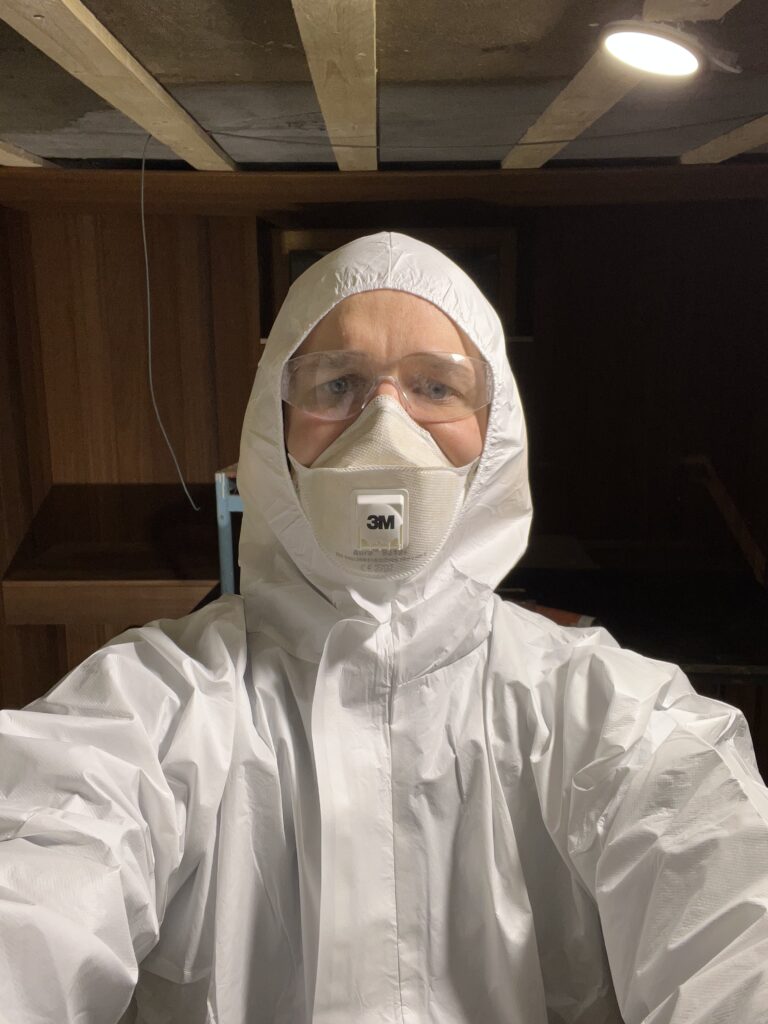
Although his daily work is strategic and involves extensive communication, the researcher in Karl has not disappeared. “The scientist in me still surfaces from time to time. I do not necessarily miss being in the laboratory conducting experiments myself, but solving complex challenges for our clients fulfils that need.”
He adds with a smile that once the plant becomes operational, everyone will likely need to put on lab coats and take part in testing the equipment.
“In a small team, roles cannot remain too narrowly defined. Launching a plant means that strategic decisions and very practical tasks go hand in hand. At the beginning, we will do everything ourselves, so I will probably need to order a lab coat and helmet with my name on them in the near future.”
A biorefining mindset beyond work
Karl’s professional curiosity extends into his free time. Brewing beer and fermenting vegetables are not merely hobbies but a continuation of the scientific interest that began during his university years.
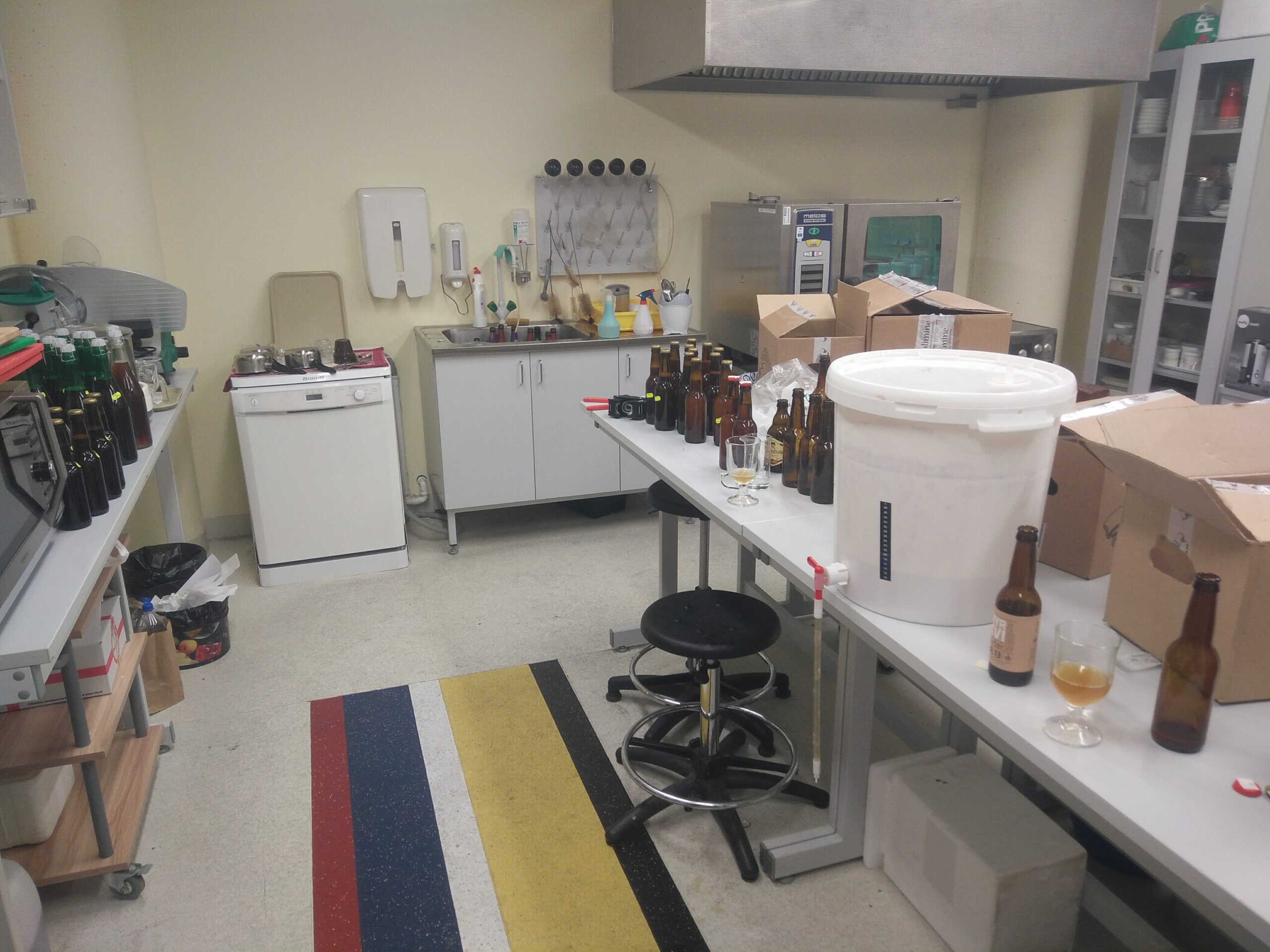
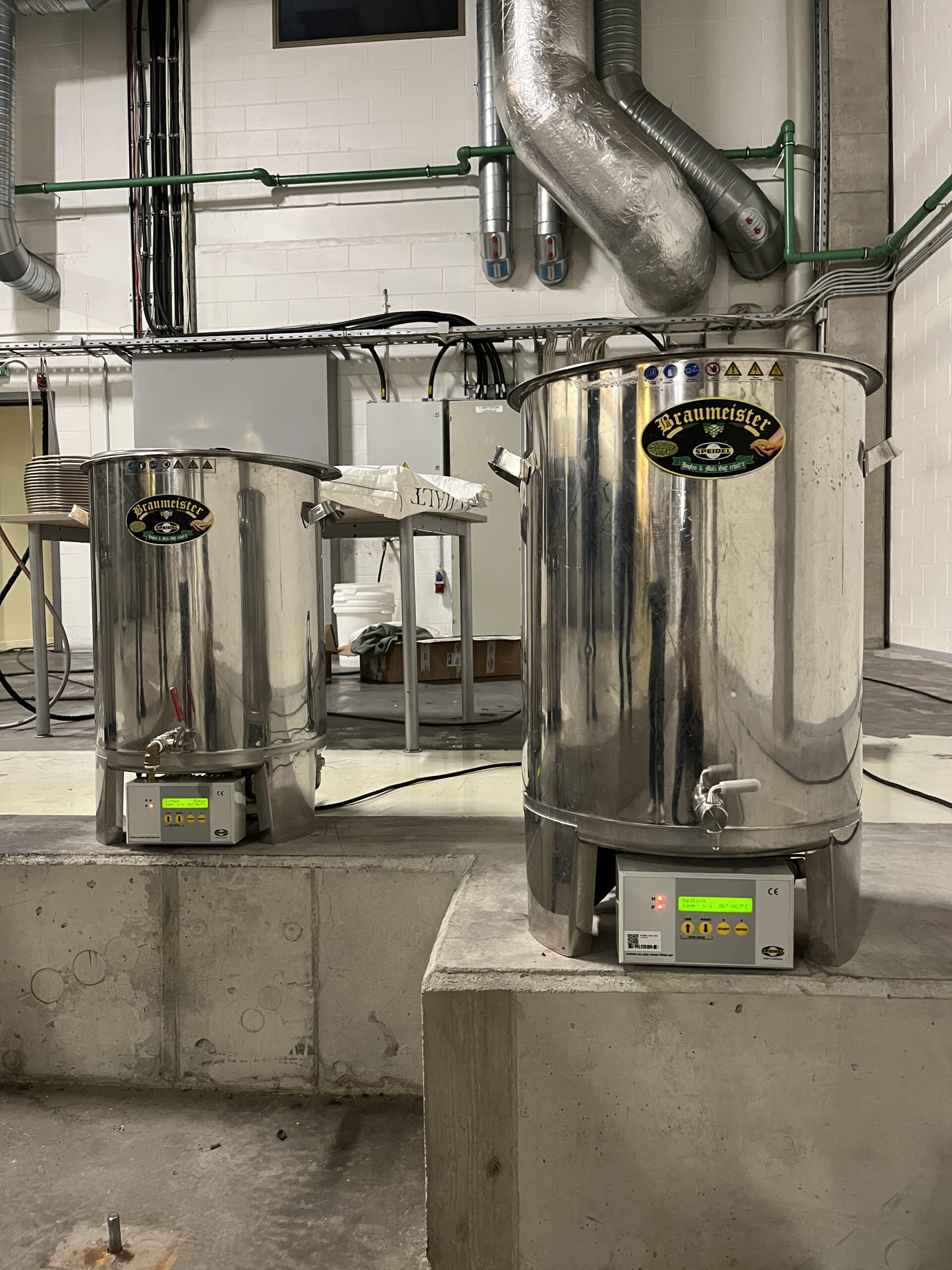
“When the first expensive craft beers appeared in shops, it was an ‘aha’ moment for me. Craft beer means it can be made by hand. If you understand how bacteria and yeast function, why not apply that knowledge yourself? Thanks to my professional background, I have often had access to interesting bacteria, yeasts and biomaterials. Over time, I have experimented with various approaches – beers brewed with genetically modified organisms or wood-derived sugars, salmon smoked with lignin, or nitrogen-infused coffee.”
The Metrosert team has also experienced Karl’s experimental mindset. For a team event, he temporarily brought his mobile “laboratory” from his home sauna into the workplace, where Metrosert’s first “biorefinate” was produced. Although the beer club he founded with colleagues during his university years is, according to Karl, still active, his own contribution has recently become more limited due to raising two young children.
A responsibility to future generations
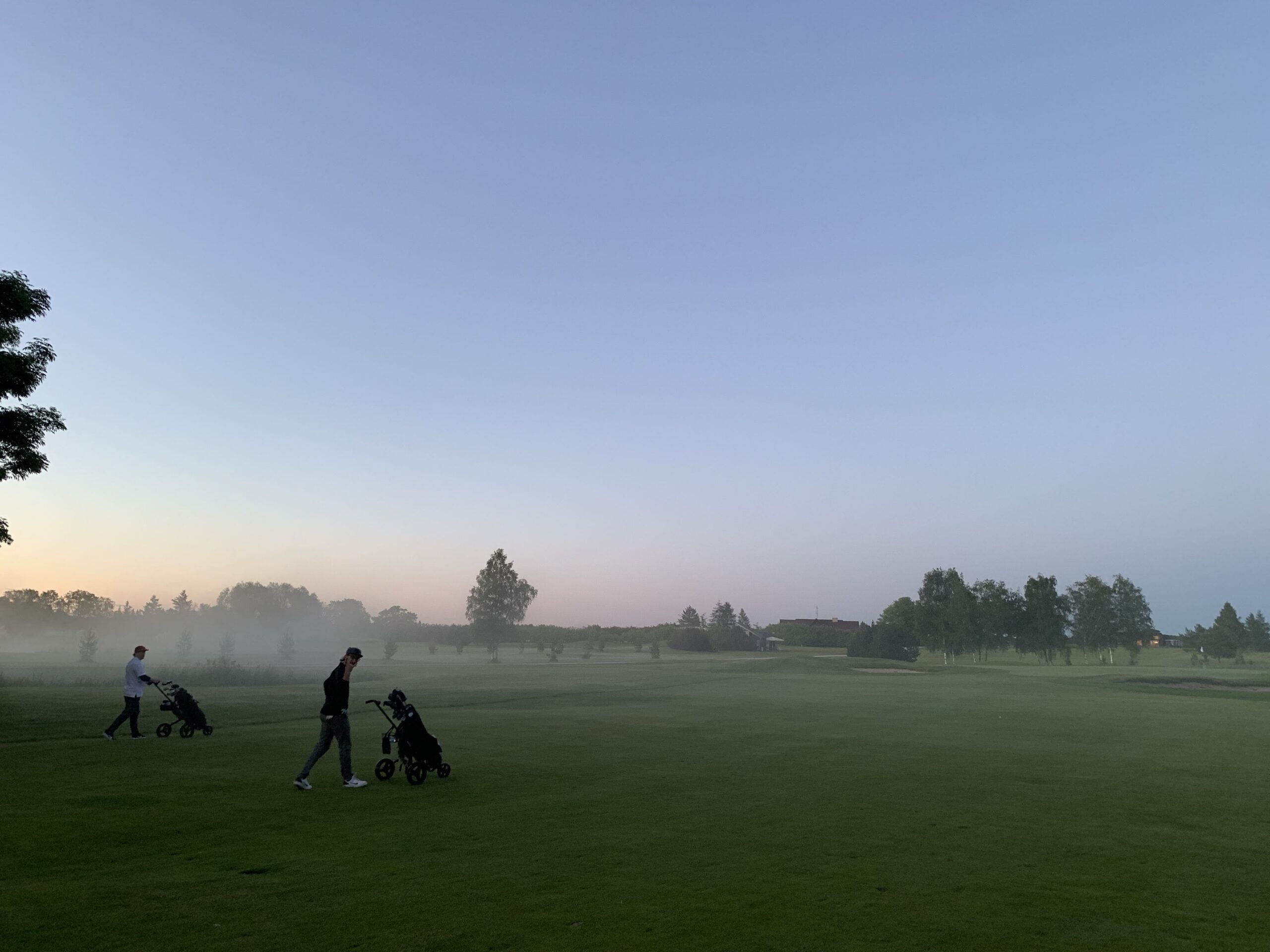
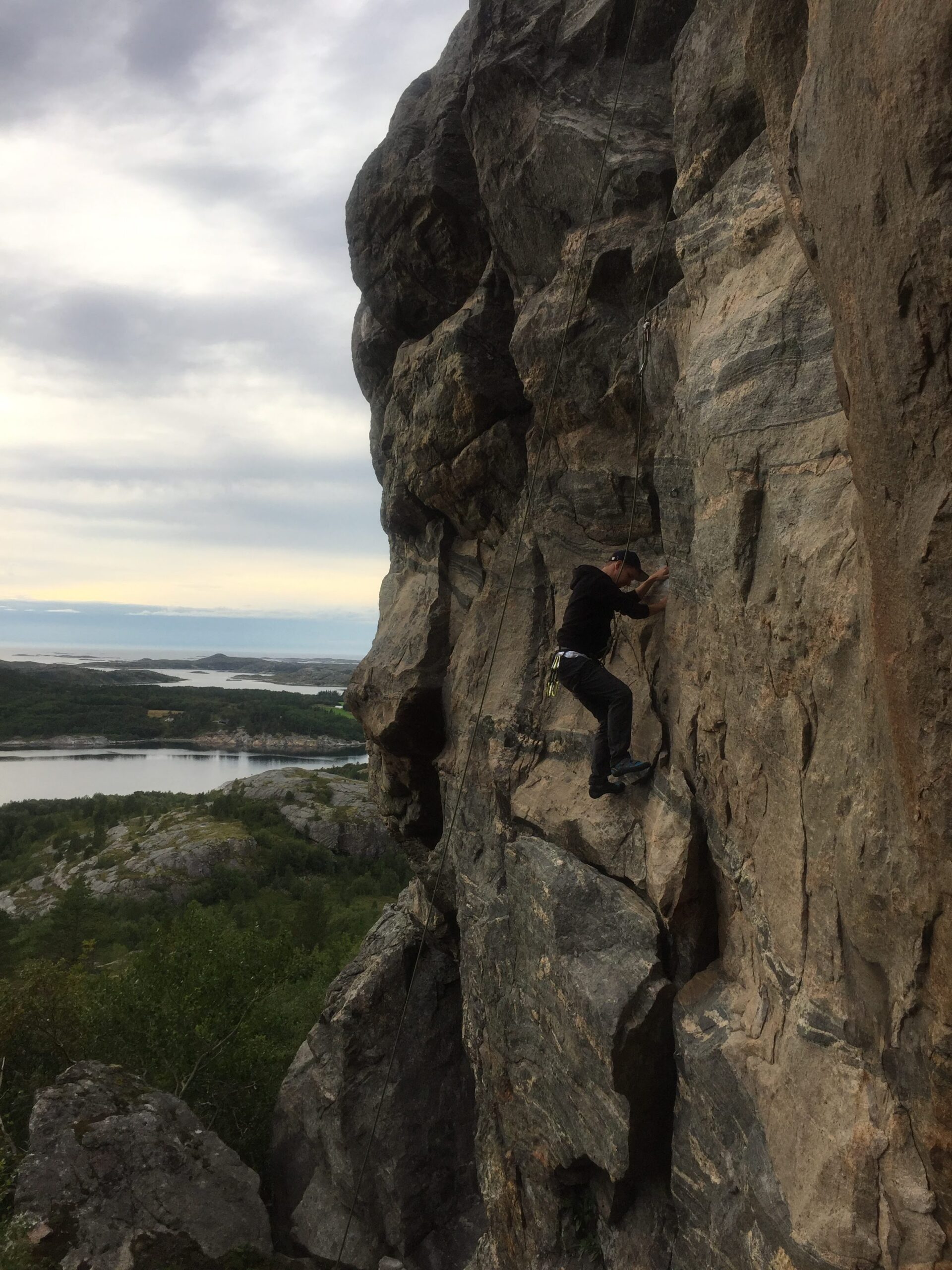
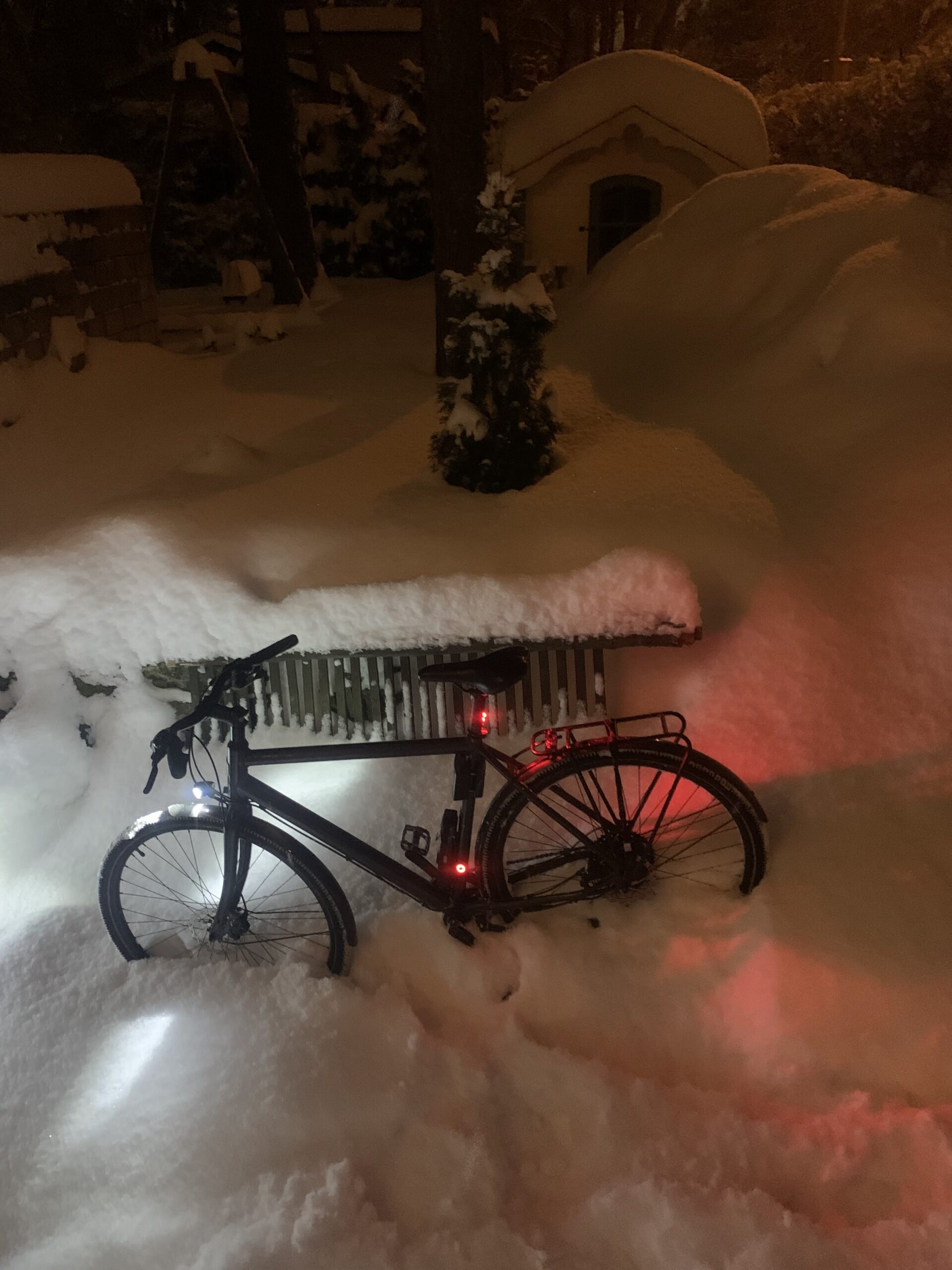
Brewing is not Karl’s only hobby. He plays golf, goes climbing from time to time, and cycles in all weather conditions, including commuting to work. Many of his leisure activities are connected to family life. He notes that having a family has added a broader dimension to his thinking.
“What used to be a large, abstract concept of sustainability has now become very personal – I think about the kind of world my children will grow up in.”
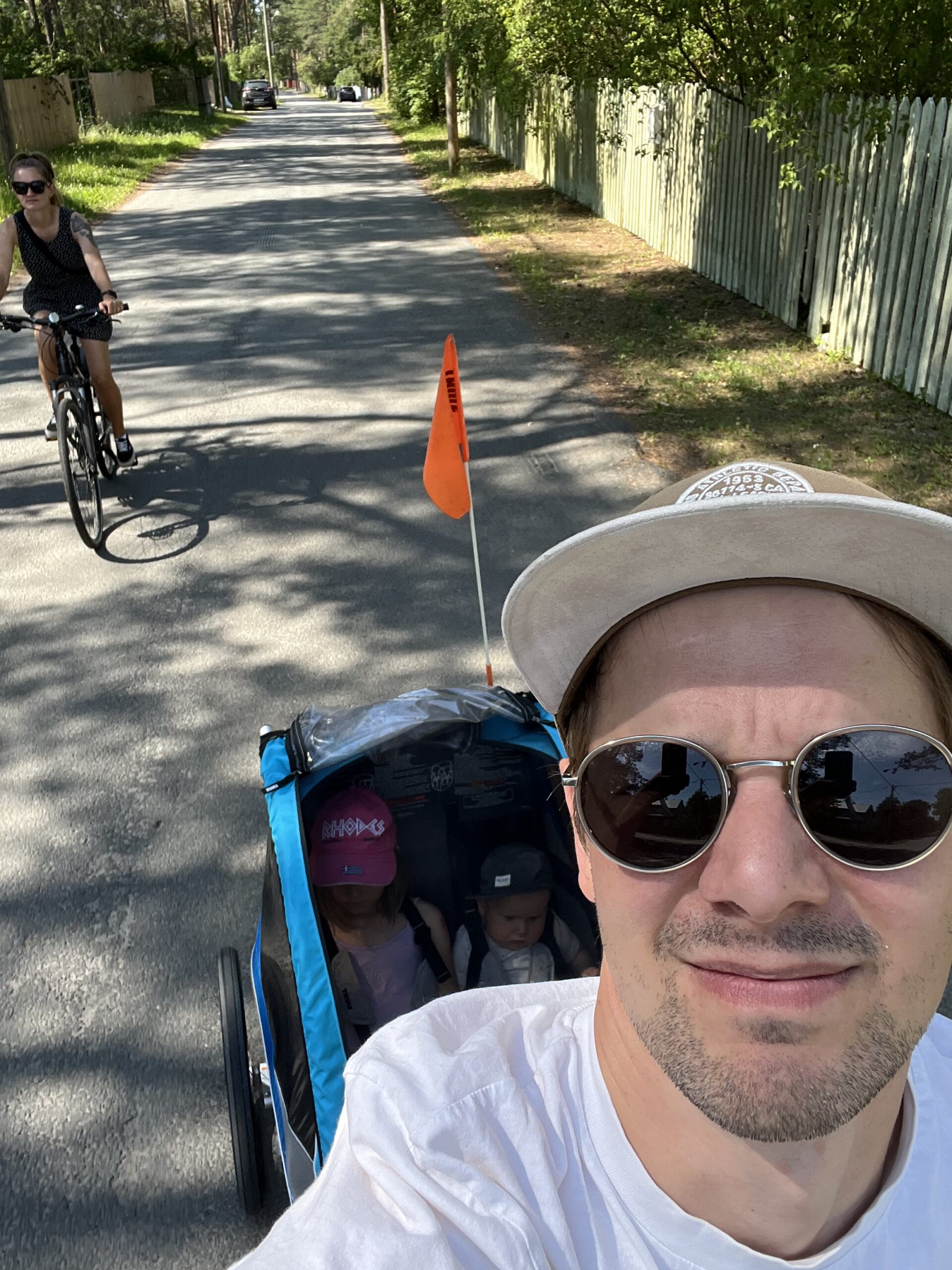
He acknowledges that he is concerned when public discourse increasingly includes messages calling for a retreat from environmental commitments or for postponing previously agreed targets.
“Fortunately, my daily work helps maintain motivation. I interact every day with entrepreneurs and researchers who consistently seek solutions and are not prepared to relinquish responsibility for the future,” he adds.