
A value chain-based project consortium established under the leadership of Metrosert will begin developing healthy and affordable hybrid food products that combine plant-based and animal proteins. The consortium brings together the entire food value chain, from raw material cultivation to retail.
According to Kaupo Reede, Head of the Metrosert’s Applied Research Center and lead coordinator of the Plant Protein Innovation Cluster, the motivation behind establishing the consortium is to make product development in the food industry more substantively efficient and better aligned with market needs.
“Food development can no longer function in a way where each link in the value chain works in isolation hoping that someone else will manage the risks. If we want innovative and healthier products to reach consumers, all parties – farmers, researchers, processors, industry and retail – must all be involved from the very beginning,” said Reede.
The consortium led by Metrosert applies a value chain-based development model, where product development starts from market needs and moves through science and production back to retail. Retail partners contribute insights into consumer taste preferences and price sensitivity, which are then used to design appropriate technological solutions and to select crops that can be efficiently grown and processed in Estonia.
“Too often, scientifically sound solutions fail to progress because they do not consider raw material availability, production costs or consumer expectations. A value chain-based approach helps mitigate these risks at an early stage,” Reede explained.
During the development process, crop cultivation trials, laboratory and scaling tests will be carried out, while the market suitability of end products will be tested in parallel – from taste and texture to packaging and pricing.
The broad-based consortium includes Laekvere PM on the crop production side, Balsnack as a plant protein processor, Lunden Food and Nõo Lihatööstus as end-product developers, and Rimi Eesti Food as the retail representative. Innovation partners include the Centre of Estonian Rural Research and Knowledge (METK), Metrosert, and the Centre of Food and Fermentation Technologies (TFTAK), who ensure scientific and technological support throughout the entire development process.
“We have assembled a consortium in which every link in the value chain understands its role and its next customer. This provides confidence for farmers, industry and retail alike – and ultimately for consumers,” said Reede.
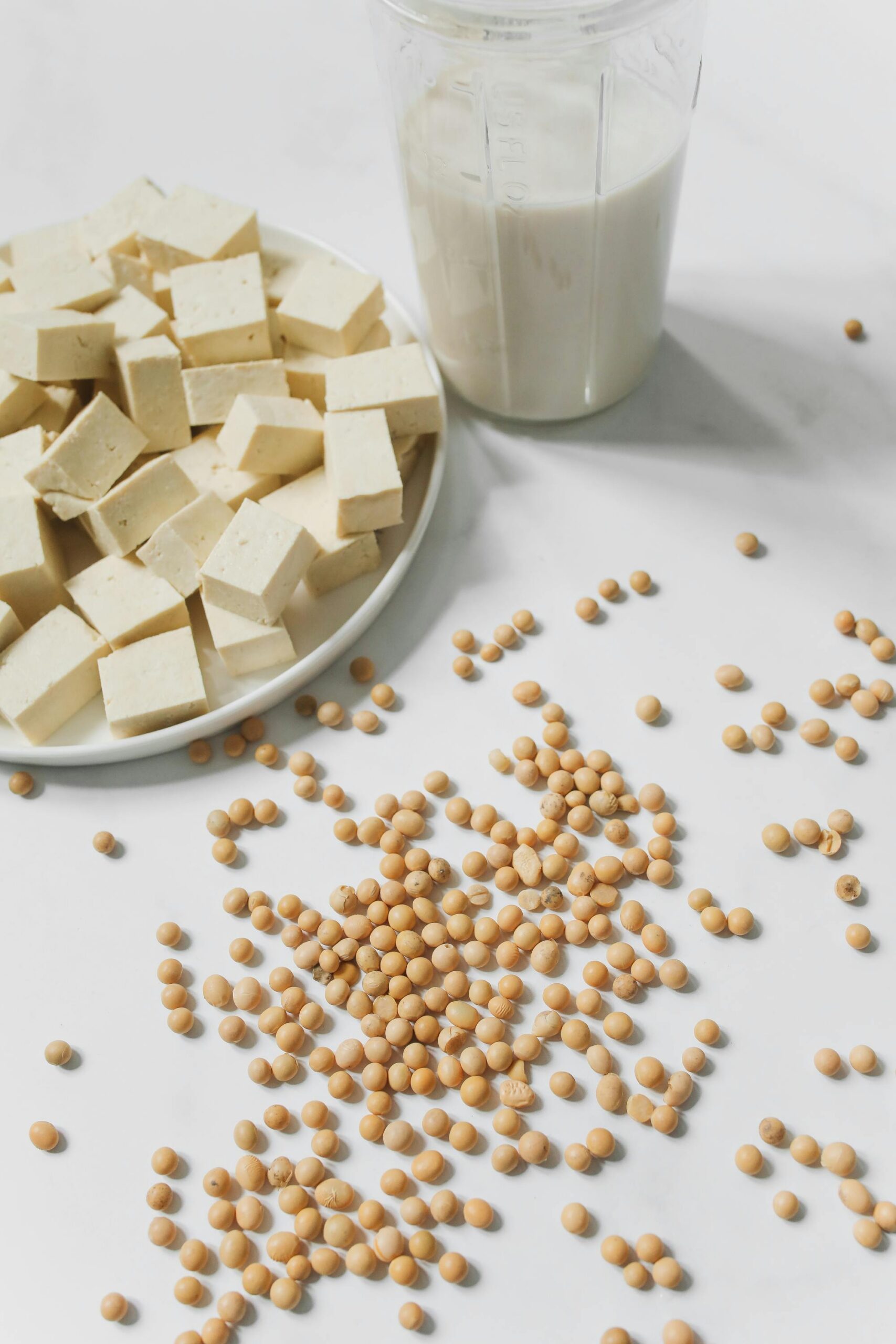
According to him, one of the project’s key objectives is to use raw materials grown in Estonia and to reduce dependence on imported proteins, such as soy. The project also focuses on improving the nutritional profile of hybrid products by reducing the share of animal fats and increasing fibre content.
“Our goal is not to create niche products, but solutions that can compete with conventional products in both price and taste. Only in this way can plant-based and hybrid products have a real impact on consumer health and the sustainability of the food system,” Reede emphasised.
The innovative hybrid food development project consortium was established within the framework of the PRIA innovation large-scale project support measure. The open PRIA measure supports innovative development projects in the agriculture and forestry sectors, where the interaction across the entire supply chain and the market introduction of new, higher value-added products are key. For large-scale projects, the maximum support rate is up to 80 percent, with support amounts of up to EUR 800,000.