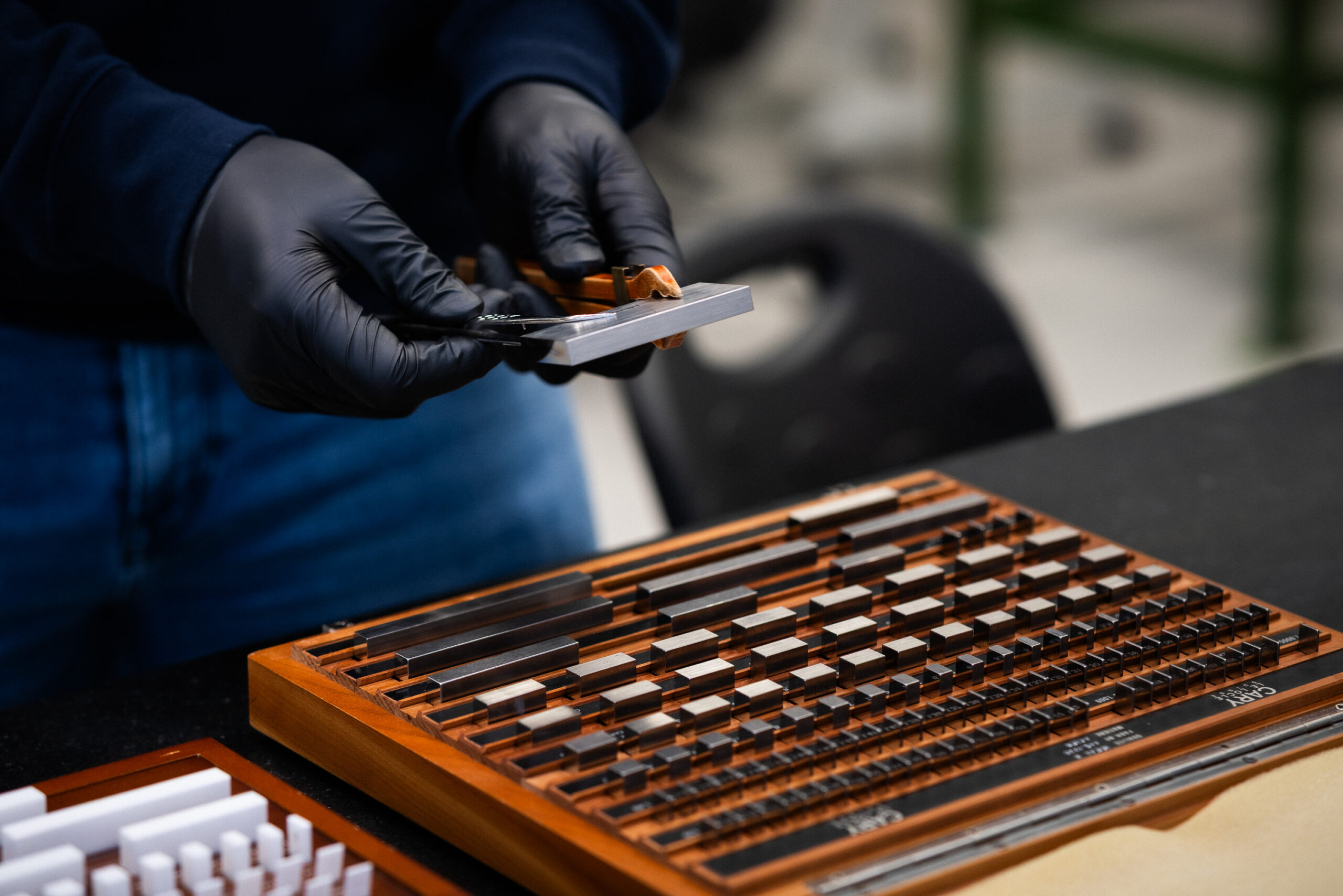
Today, on 20 May, World Metrology Day is celebrated globally. To mark the occasion, Metrosert, Estonia’s Applied Research Center and National Metrology Institution, invites individuals and organizations to recognize how much of our daily activities depends on precise measurements—ranging from electricity meters and fuel dispensers to pharmaceuticals, satellite communications, and artificial intelligence.
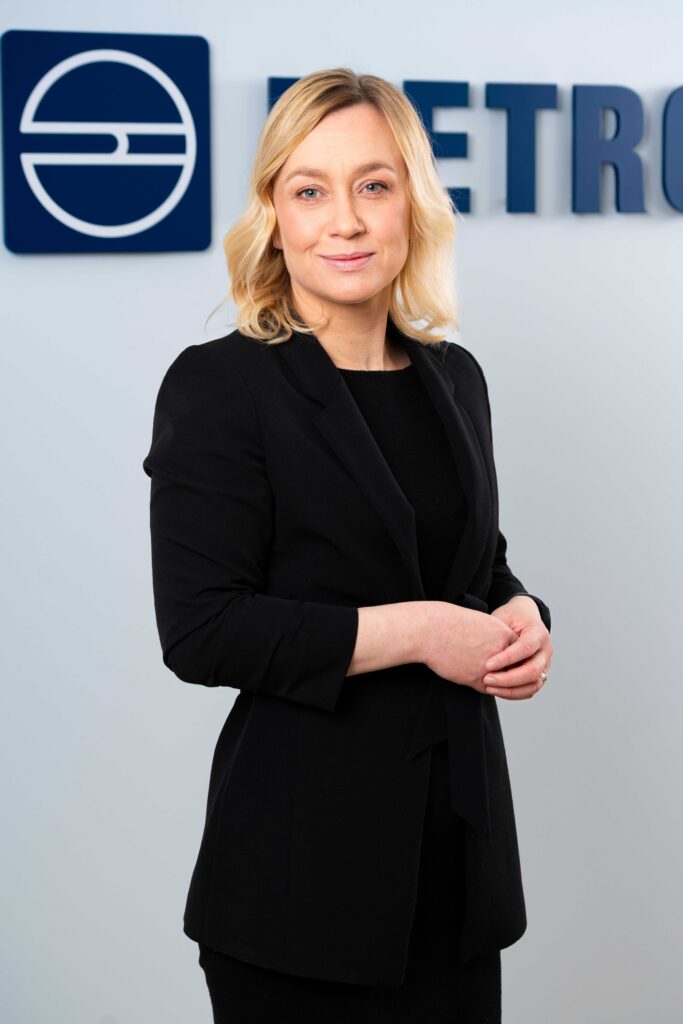
According to Mari Aru, Head of the Research and Development Division at Metrosert, measurements are often taken for granted, even though a significant part of modern society and technology depends on their quality.
“The importance of precise measurements becomes visible when errors cause communication networks to fail, patients to receive fatal drug doses, or poorly designed bridges to collapse. However, measurement errors more frequently affect our lives through small and unnoticed discrepancies, such as overpaying for fuel, receiving inaccurate GPS directions, facing incorrect electricity bills, or getting less produce at the store than the scale indicates,” said Aru.
Aru noted that the quality of measurements is becoming increasingly critical as Estonia seeks to develop high technology, enhance its technological independence, and strengthen security.
“To develop innovative technology in Estonia and keep our industry competitive, we must ensure that companies have access to reliable measurements to validate their technologies. We also need to evaluate which measurement capabilities can be outsourced when necessary and which capabilities must be maintained domestically to ensure continuity if cross-border services fail,” Aru stated.
This year’s World Metrology Day focuses on the role of measurements in supporting trustworthy policymaking. According to Aru, this becomes particularly vital as an increasing number of decisions rely on data and artificial intelligence.
“The models we already trust to make decisions on our behalf must be based on high-quality data. If measurements are inaccurate, the decisions made on their basis cannot be fully trusted,” she said.
For example, inaccurate sensor data can affect the safety and reliability of AI-driven autonomous systems. The international metrology community is currently working to establish frameworks for assessing the reliability of artificial intelligence applications.
“In Estonia, we should also consider the foundational quality requirements needed to evaluate whether an AI application is reliable enough to be used in decision-making processes,” Aru added.
Measurement Units in Continuous Development
Metrosert maintains the Estonian national measurement standards for mass, length, temperature, and electrical quantities. A national standard comprises the equipment, methodologies, laboratory conditions, and expertise required to realize SI units with the highest precision within the country.
The reliability of measurements in Estonia relies on this system of national standards. To ensure that Estonian measurements remain comparable internationally and meet the demands of rapidly evolving technology, these national standards must be continuously developed and their international equivalence guaranteed.